
Small spaces demand savvy solutions, and a Japanese-style wardrobe offers a perfect blend of aesthetic appeal and practicality. This guide delves into maximizing limited closet space while embracing the principles of minimalism and functionality central to Japanese design. From choosing the right colors and fabrics to optimizing storage and accessories, we’ll explore how to create a stylish and organized wardrobe that works seamlessly in a compact environment.
This in-depth exploration covers essential wardrobe items, clever storage strategies, and color palettes to create a harmonious and visually appealing small Japanese-style wardrobe. Key design elements and styling tips are included to ensure a comfortable and sophisticated aesthetic that perfectly suits a smaller space.
Defining Japanese Style
Japanese style, both in clothing and interior design, embodies a unique aesthetic rooted in minimalism, functionality, and a deep respect for nature. This approach transcends mere fashion trends, reflecting a cultural ethos that values simplicity, harmony, and enduring quality. The meticulous attention to detail and the integration of natural elements create a distinct visual language that has captivated global audiences.Japanese aesthetics emphasize a profound connection with the environment and a deep appreciation for natural materials and subtle colors.
This philosophy manifests in the understated elegance of clothing choices and the serene beauty of interior spaces. The focus on functionality and enduring quality sets Japanese style apart from fleeting trends, emphasizing longevity and mindful consumption.
Characteristics of Japanese Style in Clothing
Japanese fashion often prioritizes comfort and understated elegance. Simplicity and functionality are paramount, reflecting a preference for timeless designs over rapid-fire trends. Natural fabrics like silk, cotton, and linen are frequently used, showcasing a respect for the raw materials and the environment. Color palettes are typically muted, emphasizing natural tones and subtle variations, creating a sense of serenity and calm.
Principles of Minimalism and Functionality
Minimalism is a core tenet of Japanese style, both in clothing and interior design. This aesthetic philosophy emphasizes essential elements, avoiding excess and unnecessary embellishments. Functionality is equally crucial, prioritizing pieces that serve multiple purposes and can be seamlessly integrated into daily life. This focus on practicality and enduring quality ensures longevity and a sustainable approach to consumption.
Use of Natural Materials and Colors
The use of natural materials in Japanese style underscores a respect for nature and its resources. Silk, linen, cotton, and wood are common choices, reflecting the connection with the environment and a desire for sustainable materials. Color palettes are often muted and earthy, drawing inspiration from nature’s subtle hues. Soft, neutral tones like beige, gray, and muted greens are prevalent, promoting a sense of harmony and tranquility.
Examples of Japanese Fashion Icons or Designers
Several influential figures have shaped the Japanese fashion landscape. Rei Kawakubo, the founder of Comme des Garçons, is a pioneering designer known for her avant-garde approach, yet grounded in a unique Japanese aesthetic. Other notable designers include Issey Miyake, known for his innovative use of fabrics and designs, and Yohji Yamamoto, celebrated for his deconstructed and often minimalist style.
These designers embody the unique blend of tradition and innovation that defines Japanese fashion.
Japanese Style Elements
| Japanese Style Element | Description | Visual Example |
|---|---|---|
| Simplicity | Emphasis on clean lines, minimal embellishments, and understated elegance. | A simple, unadorned kimono, or a minimalist, tailored suit. |
| Functionality | Prioritizing pieces that serve multiple purposes and can be seamlessly integrated into daily life. | A versatile, multi-functional tote bag, or a comfortable, everyday dress. |
| Natural Materials | Use of sustainable and natural fabrics like silk, cotton, linen, and wood, reflecting respect for nature. | A silk haori jacket, or a linen shirt. |
| Muted Colors | Preference for subtle and natural color palettes, emphasizing harmony and tranquility. | A muted, earth-toned kimono, or a simple gray knit sweater. |
| Minimalism | Emphasis on essential elements, avoiding excess and unnecessary embellishments. | A simple, unadorned Japanese-style room with natural materials, or a minimal wardrobe with versatile pieces. |
Wardrobe Essentials for Small Spaces
Maximizing space in a compact wardrobe is crucial for maintaining a clutter-free and stylish Japanese-inspired aesthetic. A well-organized small wardrobe allows easy access to garments, promotes a sense of calm, and reflects the Japanese principle of “kaizen,” continuous improvement. This approach emphasizes efficiency and functionality, particularly important when limited space dictates design choices.A thoughtful selection of versatile items and strategic storage solutions are key to creating a visually appealing and functional small wardrobe.
This approach prioritizes practicality and minimizes unnecessary possessions, aligning with the minimalist Japanese aesthetic. The emphasis on functionality and space-saving techniques elevates the experience of dressing.
Key Items for Maximizing Space
A curated selection of versatile items is essential for optimizing a small wardrobe. These key items are designed to fulfill multiple roles, maximizing the limited space available. This ensures that every piece serves a purpose and avoids unnecessary clutter.
- Versatile tops: Tunics, blouses, and shirts with multiple layering possibilities are crucial. A well-chosen tunic, for instance, can serve as a top, a light jacket, or even a dress, dramatically increasing the wardrobe’s functionality. This multi-use quality drastically reduces the number of garments needed while maintaining style.
- Multi-functional bottoms: Skirts with various length options or pants that can be dressed up or down offer similar versatility. A midi skirt, for example, can be paired with a blouse for a daytime look or a blazer and heels for an evening out. This flexibility is paramount for small spaces.
- Statement jackets: A well-chosen jacket can serve as a versatile layering piece. A lightweight, neutral-colored jacket or a denim jacket can transition easily from day to night, acting as a crucial part of a multi-purpose wardrobe. This versatility is key for adapting to different occasions.
Multi-Functional Clothing
Multi-functional clothing is paramount in optimizing a small wardrobe. The ability of a single garment to serve multiple purposes is a critical space-saving strategy, aligning with the principles of Japanese minimalism.
- Layering is key: Layering techniques enable a greater variety of outfits from fewer garments. For example, a simple white shirt can be layered under a cardigan or blazer for a different look each day. This strategy significantly reduces the overall number of garments required.
- Neutral color palettes: Neutral colors, such as black, white, gray, and beige, can be mixed and matched effortlessly. This color scheme provides a foundation for creating a wide range of outfits with fewer garments. The adaptability of these colors is critical in a small space.
- Versatile silhouettes: Silhouettes that can be styled in various ways, like A-line dresses or wrap tops, provide flexibility. An A-line dress, for example, can be dressed up or down depending on the accessories chosen. This versatility is a key strategy in a limited space.
Vertical Storage Solutions
Maximizing vertical space is crucial for optimizing a small wardrobe. Vertical storage solutions enable you to store more garments without sacrificing floor space.
- Hanging organizers: Utilizing hanging organizers for accessories, scarves, and belts allows you to store these items neatly and keep them readily available. This space-saving technique helps keep the wardrobe organized and accessible.
- Stackable shelves: Stackable shelves, specifically designed for smaller wardrobes, can be used to store folded garments, shoes, or additional accessories. This strategy is effective for storing items like folded sweaters or seasonal clothing.
- Shoe racks: Shoe racks, either freestanding or wall-mounted, allow you to store shoes efficiently, freeing up valuable floor space. This strategy is particularly useful in maximizing the utilization of a small space.
Wardrobe Essentials Table
| Item | Function | Space-Saving Tips |
|---|---|---|
| Versatile Tops (Tunics, Blouses) | Multiple layering options, can serve as a top, light jacket, or dress. | Choose neutral colors, consider a wide range of sleeves and necklines. |
| Multi-Functional Bottoms (Skirts, Pants) | Can be dressed up or down, offering versatility in outfits. | Select skirts with adjustable lengths or pants that can be paired with various tops. |
| Statement Jackets | Layering piece, transitionable from day to night. | Choose neutral colors, lightweight materials, and versatile silhouettes. |
| Hanging Organizers | Store accessories, scarves, and belts neatly. | Maximize vertical space by using wall-mounted or freestanding organizers. |
Color Palettes for Small Spaces
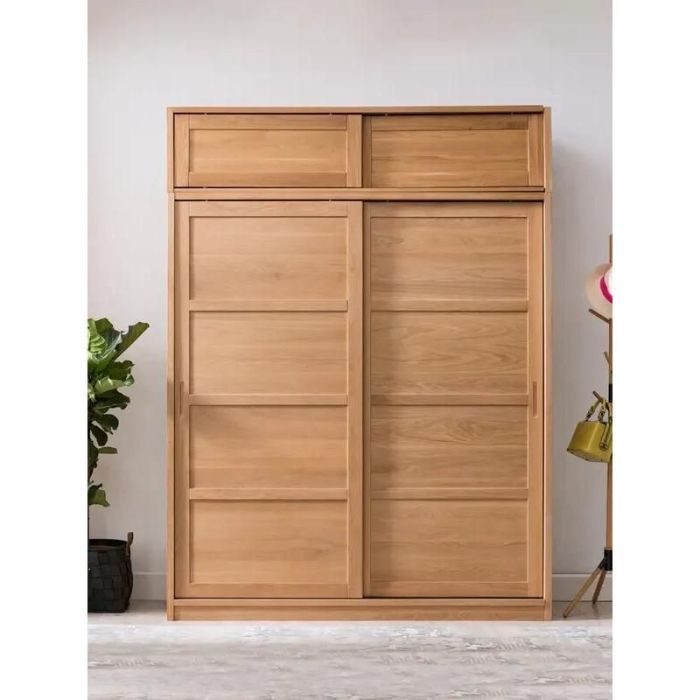
Crafting a small wardrobe that feels expansive relies heavily on the strategic use of color. The right palette can dramatically alter the perceived size of a room, making it feel airy and inviting, while the wrong choices can constrict and overwhelm. Employing light, neutral colors and thoughtfully chosen monochromatic schemes are key to maximizing the illusion of space in a compact wardrobe.Color psychology plays a significant role in interior design.
Warm colors tend to make a space feel smaller, while cool colors can create an illusion of spaciousness. Strategically using lighter hues and avoiding overly saturated tones is crucial for maintaining a sense of calm and order in a small wardrobe.
Light and Neutral Colors
Light and neutral colors, including whites, creams, pastels, and soft grays, are often favored for small spaces. These hues reflect light, making the room appear brighter and more expansive. Using these colors in a wardrobe can create a sense of openness and avoid a feeling of being cramped. For instance, a wardrobe painted in a soft, off-white shade will visually enlarge the space compared to a dark, navy blue or deep red.
Incorporating natural wood tones or light-colored textiles like linen or cotton adds to the airy feel.
Monochromatic Color Schemes
Monochromatic color schemes, using variations of a single color, are also effective in creating a sense of spaciousness. By employing different shades and tones of the same color, you can achieve depth and dimension without sacrificing the feeling of openness. This approach creates a cohesive and sophisticated look, while also contributing to the perception of a larger space.
A wardrobe using various shades of blue, from light periwinkle to a deeper navy, can appear more substantial than a wardrobe using a multitude of colors.
Color Combinations for Calm and Order
Careful color combinations can contribute to a sense of calm and order in a small wardrobe. For example, pairing soft blues with whites or creams can create a serene atmosphere. Light greens and beiges can evoke a sense of tranquility and freshness. The key is to select colors that complement each other and create a harmonious, uncluttered environment.
Combining light grays with natural wood tones, for instance, can create a contemporary and soothing ambiance.
Wardrobe Color Palette Examples
| Color Palette | Mood | Wardrobe Application |
|---|---|---|
| Light Gray, White, Natural Wood | Modern, calming, spacious | Paint the walls a light gray, use white shelving, and incorporate natural wood tones in the wardrobe’s structure. |
| Soft Blue, Cream, White | Serene, tranquil, inviting | Paint the walls a soft blue, use cream-colored drawer fronts, and incorporate white accents for a calming and inviting atmosphere. |
| Light Green, Beige, Natural Wood | Fresh, peaceful, grounding | Use light green for walls, beige for shelves, and natural wood for the wardrobe structure for a fresh and peaceful look. |
| Monochromatic Blue (Light to Dark) | Sophisticated, visually appealing, depth | Use different shades of blue in the wardrobe’s design, from light periwinkle to a deep navy, to add depth and dimension. |
Storage Solutions for Small Wardrobes
Maximizing space in a compact wardrobe requires strategic storage solutions. Clever organization techniques can transform a cramped closet into a functional and stylish haven for your clothes. The right storage solutions can significantly improve the overall aesthetic and practicality of your wardrobe, allowing you to maintain order and easily access your garments.Effective storage solutions for small wardrobes are paramount.
Careful planning and implementation of space-saving strategies can transform a cramped closet into a well-organized and efficient space for clothing storage. This includes selecting the appropriate storage systems, understanding folding techniques, and prioritizing vertical space.
Hanging Organizers
Hanging organizers are a game-changer for small wardrobes. They efficiently utilize vertical space by adding extra compartments and shelves to hanging rods. This helps to categorize and compartmentalize items, reducing clutter and enhancing visual appeal. Hanging organizers come in various designs, from simple dividers to multi-tiered units, allowing for flexible adjustments to suit different wardrobe needs.
Stackable Boxes
Stackable boxes are invaluable for storing off-season clothes, accessories, or items that don’t require frequent access. They provide a convenient way to store items neatly and keep them dust-free, making them a cost-effective and practical solution. Boxes with clear lids are ideal for easy identification of contents.
Maximizing Vertical Space
Vertical space is a crucial element in small wardrobe organization. Utilizing every inch of available height is essential for maximizing storage capacity. This involves strategically placing items, including tall shoes and seldom-used items, to maximize the available space.
Folding Techniques for Clothes
Folding techniques significantly impact the efficiency of wardrobe storage. Employing specific folding methods can significantly increase the storage capacity of a small wardrobe. Folding techniques not only save space but also help to maintain the shape and prevent wrinkles in garments. Different folding methods are tailored to various types of clothing.
Comparison of Storage Solutions
| Storage Solution | Features | Wardrobe Application |
|---|---|---|
| Hanging Organizers | Maximize vertical space, compartmentalize items, improve visual appeal | Ideal for hanging clothes, accessories, and folded items; can organize sweaters, shirts, and blouses. |
| Stackable Boxes | Dust-proof storage, easy identification of contents, suitable for off-season items | Perfect for storing off-season clothing, shoes, and accessories; can also be used for organizing folded items. |
| Vertical Space Optimization | Utilizing every inch of available height, strategic placement of items | Maximizes space for tall shoes, seasonal items, and seldom-used clothing. |
| Folding Techniques | Space-saving, wrinkle prevention, shape retention | Suitable for various garments, including shirts, trousers, and dresses; different folding methods optimize space for different types of clothes. |
Examples of Folding Methods
- The ‘Flat Fold’ Method: This method involves folding the garment in half lengthwise, then folding it again in half widthwise. It’s ideal for items like shirts and blouses.
- The ‘Convertible Fold’ Method: This method is versatile, allowing for different folding configurations depending on the garment and intended use. This method can be particularly useful for maximizing space for items like sweaters or dresses.
- The ‘Roll-Up’ Method: Rolling garments, especially t-shirts and sweaters, can save significant space. This method minimizes wrinkles and maximizes storage capacity.
Organization Methods for a Small Wardrobe
Maximizing space in a small wardrobe hinges on meticulous organization. Effective strategies transform a cramped closet into a functional and stylish storage solution, enhancing the overall aesthetic and practicality of the space. A well-organized wardrobe streamlines the selection process, making getting dressed a smoother experience.A meticulously organized wardrobe, especially in a small space, not only enhances efficiency but also elevates the overall aesthetic.
A visually appealing and well-structured space inspires a sense of order and calm, creating a more harmonious and productive environment.
Categorizing Clothing
Categorization is fundamental to optimizing a small wardrobe. Grouping similar items together facilitates quick retrieval and minimizes wasted time searching for specific garments. This process should be tailored to individual needs and preferences. For instance, categorizing by occasion (work, casual, formal) or by color can streamline the process. Similarly, categorizing by type (tops, bottoms, dresses) can prove effective, particularly for smaller wardrobes.
Labels and Color-Coding
Labels and color-coding systems are powerful tools for streamlining the organization process. Labels, especially when coupled with color-coding, create a clear visual guide. This aids in rapid identification of garments and promotes a sense of order. Using color-coded labels for different categories (e.g., red for work clothes, blue for casual wear) enhances visual clarity and streamlines retrieval.
Transparent Containers
Transparent containers are essential for maximizing visibility in a small wardrobe. These containers provide a clear view of the contents without requiring opening, enabling quick identification and easy retrieval. They also maintain a sense of order and cleanliness, creating a more aesthetic and functional space. Using transparent containers to organize folded clothes and accessories is a common strategy for efficient storage.
Effective Organization Strategies
Employing a combination of techniques elevates the organization of a small wardrobe. Efficient folding techniques, like the “triangle fold” for shirts, optimize space. Hanging items strategically, such as utilizing vertical space for longer garments, further enhances efficiency. Combining these techniques ensures maximum utilization of available space.
Examples of Effective Organization Strategies
| Organization Method | Benefits | Visual Example |
|---|---|---|
| Hanging System with Categorized Shelves | Maximizes vertical space, allowing for easy visual identification of garments. | Imagine hanging tops on one side of the wardrobe and bottoms on the other, with drawers or shelves dedicated to accessories and folded items. Use clear, color-coded labels for each category. |
| Folding and Categorizing in Drawers | Optimizes drawer space for folded items, preventing clutter and promoting easy retrieval. | Organize folded t-shirts by color and then by size, using clear containers for smaller items like socks or underwear. |
| Combined Hanging and Folding System | Utilizes both hanging and folding methods to accommodate various garment types. | Hang dresses and suits, while using drawers for folded shirts and pants. Employ transparent containers for smaller items like belts and scarves. |
Clothing Selection for Small Spaces
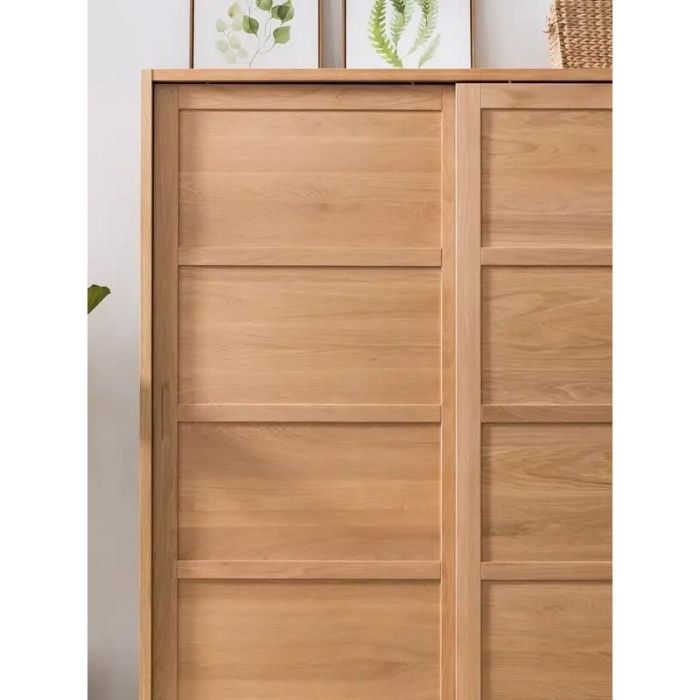
Maximizing space in a small wardrobe necessitates strategic clothing choices. A well-curated wardrobe, tailored to the Japanese aesthetic of minimalism and functionality, can significantly impact the perceived size of the room. Careful consideration of style, cut, and color can transform a cramped closet into a stylish and organized haven.A small wardrobe, particularly in a Japanese-style setting, thrives on the principle of less is more.
Selecting garments that are versatile, easy to mix and match, and suited to the wearer’s lifestyle is paramount. This approach minimizes clutter and maximizes the sense of spaciousness.
Suitable Clothing Styles for Small Wardrobes
Choosing clothing styles that are compact and versatile is key to optimizing a small wardrobe. Styles that are streamlined and tailored tend to take up less space and look more polished. Avoid voluminous or oversized garments, which can visually overwhelm a limited space.
The Power of Tailored Garments
Tailored garments, a hallmark of Japanese fashion, are ideal for small spaces. Their precise cuts and structured silhouettes offer a polished look without the bulk of loose-fitting clothing. These garments often feature clean lines and a refined aesthetic, maximizing visual appeal while minimizing the perceived size of the garments.
Importance of Simple Cuts and Lines
Simple cuts and clean lines are crucial for a minimalist wardrobe. Garments with uncomplicated shapes, avoiding embellishments or intricate details, take up less visual and actual space. Straight lines and uncomplicated silhouettes create a sense of order and sophistication. For example, a simple, well-tailored blazer, paired with straight-legged trousers, is more space-efficient than a voluminous kimono or a patterned dress.
Examples of Minimalist Clothing Designs
Minimalist clothing designs are excellent for small spaces. These designs often feature neutral colors, simple silhouettes, and a focus on quality materials. Think tailored trousers, a crisp white button-down shirt, or a well-fitted cardigan in a neutral tone. These pieces can be mixed and matched in numerous ways, allowing for a varied wardrobe without excess.
Choosing Clothes that Don’t Overwhelm a Small Space
When selecting clothing for a small wardrobe, consider the principles of layering and neutral color palettes. Neutral colors, such as black, white, gray, navy, and beige, create a calming and uncluttered environment. Layering allows for versatility and reduces the need for numerous garments. By strategically choosing clothing items that can be mixed and matched, the need for an overly large wardrobe is eliminated.
Accessorizing a Small Japanese-Style Wardrobe
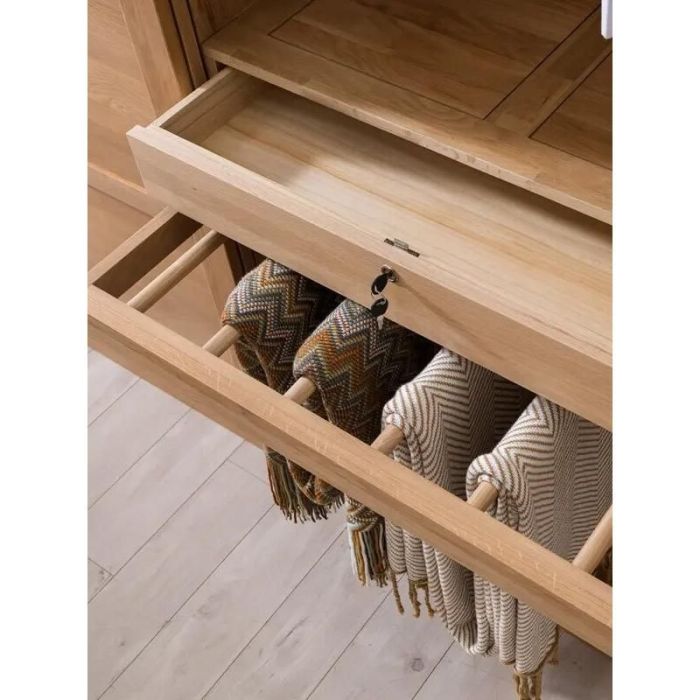
Japanese-style dressing, renowned for its understated elegance and minimalist aesthetic, is particularly well-suited for smaller spaces. Accessories play a crucial role in elevating the overall look without overwhelming the limited wardrobe. The careful selection of pieces, coupled with strategic placement, allows for a visually appealing and functional wardrobe, even in confined quarters.The core principle of Japanese-style accessorizing lies in its emphasis on quality over quantity.
Instead of accumulating numerous items, the focus is on selecting a few, high-quality pieces that complement the wardrobe’s core pieces. This mindful approach avoids clutter and allows the essential garments to shine. Elegance and sophistication are achieved through the judicious use of texture, color, and form.
The Role of Minimalist Accessories
Minimalist accessories are essential for achieving a Japanese aesthetic. Their understated designs, often incorporating natural materials like wood, bamboo, or silk, enhance the overall serenity and simplicity of the ensemble. These items don’t distract from the garments but rather add a touch of refined sophistication. Their subtle presence allows the clothes to take center stage, promoting a sense of calm and focus.
Examples of Sophisticated Small Accessories
A selection of small, carefully chosen accessories can dramatically elevate the look of a Japanese-style wardrobe. A silk scarf, a delicate pair of earrings, or a simple wooden hair clip can instantly transform an outfit. These items offer a subtle expression of personal style without being ostentatious. A high-quality, minimalist belt, for instance, can add structure and definition to an otherwise simple outfit.
Complementary Accessories for a Wardrobe
Accessories should complement, not clash with, the wardrobe’s overall aesthetic. The colors, materials, and styles of the accessories should harmoniously blend with the existing garments. For instance, a muted-toned silk scarf can elegantly complement a neutral-colored kimono or a simple cotton-linen outfit. The chosen accessories should reflect the wearer’s personality and enhance the overall harmony of the ensemble.
Wardrobe Integration of Accessories
| Accessory Type | Purpose | Wardrobe Integration |
|---|---|---|
| Silk Scarf | Adds a touch of elegance and texture | Can be draped around the neck, or used as a head covering. Can complement neutral-colored outfits. |
| Delicate Earrings | Subtle statement of style | Should complement the overall outfit’s color palette. |
| Wooden Hair Clip | Adds a touch of natural beauty | Can be used with kimonos, or other Japanese-inspired outfits. |
| Simple Bracelet | Adds subtle sophistication | Should be a complementary metal or wood tone to the outfit. |
| Small Bag/Purse | Functionality and style | Should match the color palette of the overall outfit, and be proportionate in size. |
Styling Tips for a Small Japanese Wardrobe
The compact nature of a Japanese-style wardrobe necessitates a thoughtful approach to styling. Maximizing the limited space demands strategic choices in both clothing selection and presentation. This requires a keen understanding of layering techniques, mixing and matching, and the concept of a capsule wardrobe, all of which will be explored below. A carefully curated wardrobe allows for a diverse range of outfits while minimizing clutter and maximizing visual appeal.A well-organized Japanese-style wardrobe, though compact, can be surprisingly versatile.
The key is to focus on timeless pieces, adaptable to various occasions, and colors that complement each other harmoniously. This approach ensures a visually appealing and functional wardrobe that meets the needs of a modern lifestyle.
Layering for Depth and Versatility
Layering is fundamental to Japanese style, enabling a variety of outfits from a limited collection. It allows you to transition easily from day to night or from casual to formal. This is particularly useful in a smaller space where you want to maximize the potential of each garment. For example, a simple white button-down shirt can be dressed up with a blazer and tailored pants for a professional meeting or paired with jeans and a scarf for a casual weekend outing.
This strategic layering approach maximizes the wardrobe’s capacity.
Mixing and Matching for a Cohesive Look
The art of mixing and matching is essential for creating a cohesive and balanced look within a small wardrobe. By combining neutral colors and complementary patterns, you can easily build different outfits from a core selection of pieces. For instance, a black blazer can be paired with a cream-colored blouse, dark-wash jeans, or a patterned skirt, allowing for a variety of outfits from just a few core items.
The use of color palettes, as previously discussed, plays a crucial role in achieving this.
Crafting a Capsule Wardrobe
A capsule wardrobe is the cornerstone of a well-organized Japanese-style wardrobe. This approach focuses on investing in versatile, high-quality pieces that can be mixed and matched to create a multitude of outfits. It is about reducing the number of garments while maximizing their usage. This often involves investing in neutral colors such as black, white, gray, and navy, with a few accent colors for variety.
For instance, a well-structured capsule wardrobe might include a variety of blouses, pants, skirts, and outerwear in these core colors, allowing for numerous combinations. This minimizes the amount of storage space required while ensuring style and versatility.
Lighting and Visuals for Small Wardrobes
Maximizing space in a small wardrobe isn’t just about clever storage; it’s also about manipulating perception. Strategic lighting and visual tricks can dramatically alter the feeling of spaciousness, transforming a cramped closet into a functional and aesthetically pleasing haven. This is crucial for creating a harmonious and inviting Japanese-style dressing area, where thoughtful design elements contribute to the overall tranquility and efficiency.Optimizing the visual impact of a small wardrobe hinges on a thoughtful combination of lighting techniques and clever design choices.
Natural light, strategically placed mirrors, and the right color palette all play a significant role in creating the illusion of more space. Careful consideration of these elements can elevate a compact wardrobe from a mere storage solution to a personalized and inspiring dressing sanctuary.
Natural Light Enhancement
Natural light is a powerful tool for expanding the perceived size of a small wardrobe. Maximize its impact by positioning the wardrobe near a window or utilizing sheer curtains to allow diffused sunlight to flood the space. This not only brightens the area but also fosters a sense of openness and connection to the outdoors. This connection to the natural environment is a key component of Japanese aesthetic principles, enhancing the overall sense of harmony and serenity.
Mirrors: Strategic Reflections
Mirrors are highly effective tools for creating the illusion of spaciousness. Strategically placed mirrors can double the perceived depth of a small wardrobe, reflecting light and making the area feel more expansive. A full-length mirror, for example, positioned opposite a window will dramatically amplify the effect of natural light and visual space. Consider a mirror with a decorative frame to complement the Japanese aesthetic, enhancing the sense of elegance and refinement.
Visual Tricks for Expanded Space
Employing visual tricks can create a substantial impact on the perceived size of a small wardrobe. Using lighter, neutral colors on the walls and wardrobe doors can make the space feel larger. A well-chosen color palette is vital for maintaining the serene and minimalist atmosphere inherent in Japanese design. Incorporating a floating shelf, which allows for visual separation of items and enhances the feeling of airiness, can also be beneficial.
Avoid overly ornate patterns or colors that can visually compress the space.
Lighting Types and Visual Impact
| Lighting Type | Visual Impact | Suitability for Small Wardrobes |
|---|---|---|
| Natural Light (Direct Sunlight) | Bright, open, and expansive | Highly recommended, especially near windows |
| Natural Light (Diffused Sunlight) | Soft, calming, and airy | Excellent choice for any location |
| Ambient Lighting (Soft, warm) | Creates a relaxing atmosphere | Ideal for creating a serene environment |
| Accent Lighting (Spotlights) | Highlights specific items or areas | Useful for showcasing cherished pieces or decorative items |
| Task Lighting (Focused) | Enables precise viewing of items | Essential for dressing or choosing clothes |
Strategic placement of lighting fixtures, whether recessed spotlights or strategically positioned pendant lamps, can significantly influence the mood and perception of the wardrobe space. Selecting the appropriate lighting type is critical to achieving a visually appealing and functional small wardrobe, adhering to the principles of balance and harmony in Japanese design.
Integrating Technology into a Small Japanese Wardrobe
Small spaces often necessitate innovative solutions, and the Japanese aesthetic, with its emphasis on minimalism and efficiency, provides a perfect framework for leveraging technology to optimize a compact wardrobe. Smart storage solutions are no longer confined to large walk-in closets; they can be seamlessly integrated into even the smallest of spaces, enhancing both organization and visual appeal.Embracing technology in a small Japanese-style wardrobe allows for a more streamlined and efficient approach to clothing management.
Digital organization tools, combined with the strategic use of smart hangers and mobile apps, can transform a potentially cluttered environment into a serene and well-organized space. This integration enhances the minimalist aesthetic, promoting a harmonious blend of practicality and design.
Smart Hangers and Digital Organization
Smart hangers, equipped with sensors and connectivity, can provide valuable data on clothing usage. This data can be instrumental in understanding seasonal preferences and potentially reducing the need for excess items. Digital organization tools, often integrated with smart hangers, can automatically track and categorize clothing, streamlining the process of finding desired items. Furthermore, digital organization systems can offer insights into clothing combinations, potentially inspiring new outfits.
Smart Closet Solutions
Smart closet systems, often incorporating integrated mirrors and lighting, go beyond basic organization. These systems can provide a highly personalized and efficient way to manage clothing, including features like automated folding, space-saving storage, and advanced sorting. A system could automatically organize clothes by color, season, or occasion, providing users with an organized and intuitive way to manage their wardrobe.
For example, some systems may automatically adjust the lighting based on the time of day or the color of the clothes being displayed, enhancing the visual appeal of the space.
Mobile Apps for Clothing Management
Mobile apps are becoming increasingly crucial in managing clothing efficiently. These applications can connect to smart hangers and other smart wardrobe systems, providing a centralized platform for managing clothing, tracking usage patterns, and even planning outfits. Users can virtually “try on” different outfits and visualize themselves in them. This can be particularly useful for individuals with limited space who want to maximize their wardrobe potential without sacrificing visual appeal.
Table: Technology Integration in a Small Wardrobe
| Tech Tool | Function | Wardrobe Integration |
|---|---|---|
| Smart Hangers | Track clothing usage, automatically categorize items, potentially reduce excess. | Integrated into existing wardrobe or shelving units. |
| Smart Closet Systems | Automated folding, space-saving storage, advanced sorting, and integrated mirrors. | Can replace traditional wardrobes or be integrated into existing ones. |
| Mobile Apps | Centralized platform for clothing management, tracking usage, outfit planning. | Connected to smart hangers and systems for data synchronization. |
Maintaining a Small Japanese-Style Wardrobe
A meticulously curated small wardrobe, imbued with Japanese aesthetic principles, demands consistent maintenance to uphold its visual appeal and functionality. This involves not just keeping clothes clean, but preserving the sense of order and tranquility that defines the style. Regular attention to detail ensures the space remains a source of calm and inspiration.Maintaining a small Japanese-style wardrobe is about more than just tidiness; it’s about cultivating a mindful relationship with your belongings.
A well-maintained wardrobe reflects a commitment to simplicity and allows you to easily locate and appreciate each item. This approach prioritizes quality over quantity, ensuring that every garment is valued and used.
Regular Cleaning and Decluttering
Regular cleaning and decluttering are essential to maintaining the aesthetic and functionality of a small Japanese-style wardrobe. Dusting shelves, vacuuming or sweeping the space, and wiping down surfaces help prevent the accumulation of grime. This proactive approach maintains a pristine environment. Furthermore, periodic decluttering sessions remove items no longer worn or needed, ensuring only essential garments remain.
This process reduces visual clutter and prevents the space from feeling overwhelmed.
Storage Containers
Strategic use of storage containers is crucial for a small Japanese-style wardrobe. Translucent containers, often in natural tones, allow you to see the contents without sacrificing visual harmony. This allows for easy identification of items and maintains a sense of order. Consider using dividers within containers to further categorize and organize smaller items like accessories or socks.
This prevents items from becoming jumbled and ensures easy access.
Seasonal Rotations
Seasonal rotations are a cornerstone of Japanese organizing principles. This method involves removing items not currently in season and storing them in a designated area. This frees up valuable space in the wardrobe for garments suitable for the current weather. Rotating garments ensures that you have the right clothing readily available for the current season. This practice contributes to a minimalist approach, encouraging mindful consumption and reducing visual clutter.
A well-organized seasonal rotation simplifies clothing choices and maintains a harmonious wardrobe.
Maintenance Schedule
| Maintenance Task | Frequency | Benefits ||—|—|—|| Dusting shelves and surfaces | Weekly | Prevents dust accumulation, maintains cleanliness, preserves the aesthetic. || Decluttering (removing unused items) | Monthly | Eliminates clutter, ensures only necessary items remain, promotes mindful consumption. || Rotating seasonal garments | Twice yearly (Spring/Fall) | Maximizes space utilization, ensures appropriate clothing is readily available, prevents visual overload.
|| Deep cleaning of storage containers and wardrobe | Quarterly | Eliminates dust and dirt, improves air circulation, maintains the integrity of clothing. || Inspecting clothing for damage | Monthly | Prolongs the life of garments, prevents the accumulation of damage, maintains the quality of the wardrobe. |
Outcome Summary
Ultimately, a Japanese-style wardrobe, even in a small space, is about maximizing impact with minimal clutter. By strategically selecting items, optimizing storage, and employing clever color schemes, you can create a visually appealing and functional wardrobe that reflects a mindful approach to design. This approach emphasizes the importance of careful selection and organization to achieve a sophisticated and clutter-free aesthetic in a small space.
