
Personalized cushions are more than just home décor; they’re a canvas for creativity, a reflection of personal style, and a testament to the power of bespoke design. From custom embroidery to photo prints, these unique pieces offer a tailored touch, transforming ordinary spaces into personalized havens.
This comprehensive exploration delves into the intricacies of the personalized cushion market, examining everything from design and customization options to production methods, marketing strategies, and the evolving customer experience. Understanding the nuances of this sector is key to unlocking its significant growth potential.
Overview of Personalized Cushions
Personalized cushions offer a unique blend of functionality and aesthetic appeal, transforming ordinary seating into bespoke expressions of individual style. Their customizable nature allows for a highly tailored experience, catering to diverse preferences and needs. Beyond their decorative role, these cushions also enhance comfort and provide a personalized touch to any space.Personalized cushions represent a significant advancement in home décor.
They transcend the limitations of mass-produced items, allowing for a highly tailored aesthetic experience. The ability to personalize every detail, from the material to the design, sets them apart and makes them a highly desirable item.
Personalization Options
Personalization options for cushions are extensive and cater to various tastes and needs. This range of choices ensures a bespoke experience for every customer.
- Embroidery allows for intricate designs and personalized messages, creating a sophisticated and elegant look. Examples include monograms, family crests, or meaningful quotes.
- Custom designs, ranging from abstract patterns to intricate illustrations, offer a platform for artistic expression. These designs can be adapted to any theme, from nature scenes to abstract art, or specific colors.
- Photo prints offer a powerful way to incorporate cherished memories and loved ones into the design. High-resolution images ensure a vivid and detailed representation of the chosen photograph.
Materials
The selection of materials for personalized cushions plays a crucial role in determining both the comfort and the overall aesthetic.
- Cotton cushions provide a soft and breathable feel, making them ideal for everyday use and a classic choice. They are generally affordable and readily available.
- Linen cushions offer a natural, textured feel, adding a touch of rustic elegance to any space. Their durability and breathability make them a popular choice.
- Velvet cushions boast a luxurious and plush feel, creating an opulent and inviting atmosphere. They are often used in high-end settings, adding a touch of extravagance.
Target Audience
Personalized cushions appeal to a diverse range of individuals, encompassing various interests and needs.
- Gift-givers can leverage the unique personalization options to create thoughtful and memorable presents for friends and family. This ensures a gift that truly reflects the recipient’s personality and tastes.
- Home decor enthusiasts can use personalized cushions to add a touch of individuality and style to their homes. These cushions can seamlessly integrate into existing decor, enhancing the overall aesthetic appeal.
- Collectors can assemble a curated collection of personalized cushions featuring unique designs and materials, representing a personal statement and reflecting their interests.
Uses and Applications
Personalized cushions can be utilized in a variety of settings and applications, beyond their basic function as seating accessories.
- Home décor: Personalized cushions are a versatile home décor element, adding a personal touch to any room, from living rooms to bedrooms.
- Gifts: Personalized cushions make thoughtful and unique gifts for various occasions, such as birthdays, anniversaries, or housewarmings. Their personalization ensures a gift that truly stands out.
- Comfort items: Their soft textures and comfortable designs make them ideal for providing extra comfort and support during relaxation or leisure activities.
Design and Customization
Personalized cushions offer a unique avenue for expressing individuality and creating a personalized living space. Beyond basic functionality, these items allow for tailored aesthetics, reflecting personal style and preferences. This customization extends beyond mere color choices, encompassing diverse materials and intricate designs.The key to a successful personalized cushion lies in a meticulous approach to design and material selection.
Customers must consider not only the aesthetic appeal but also the practicality and comfort of the final product. This necessitates a deep understanding of the customization options available, along with a clear grasp of the implications of different materials on longevity and comfort.
Customization Options
A variety of personalization options allows customers to tailor cushions to their specific needs and preferences. This ranges from simple monograms to complex artistic renderings. The table below highlights key customization parameters.
| Type of Personalization | Materials | Estimated Cost |
|---|---|---|
| Monogram | Cotton, Linen | $20-$50 |
| Photo Embroidered | Cotton Canvas | $50-$150 |
| Custom Artwork | Velvet, Chenille | $75-$250+ |
| Embroidered Text/Quote | Cotton, Linen | $30-$80 |
Unique and Creative Designs
The possibilities for creative personalized cushion designs are boundless. Customers can choose from various artistic styles, including abstract patterns, intricate embroidery, or customized photographs. For example, a cushion featuring a child’s drawing, framed in a modern design, can serve as a heartwarming keepsake. Similarly, a cushion with a personalized quote, embroidered in a bold, contemporary font, can create a focal point in a living room.
High-Quality Materials
High-quality materials are crucial for both the comfort and longevity of personalized cushions. Materials like velvet, linen, or high-thread-count cotton provide a superior feel and aesthetic appeal. The choice of material impacts the cushion’s ability to retain its shape, resist wear, and maintain its softness over time. This ultimately translates to a higher return on investment for the customer.
“The quality of materials directly influences the cushion’s overall value proposition.”
Durability and Softness Comparison
Different materials offer varying levels of durability and softness. This comparison is vital for customers to select cushions that meet their specific needs.
| Material | Durability | Softness |
|---|---|---|
| Velvet | High | High |
| Chenille | Medium | High |
| Linen | High | Medium |
| Cotton | Medium | Medium |
Design Trends and Demand
Design trends play a significant role in influencing the demand for personalized cushions. For instance, the current popularity of minimalist designs often incorporates subtle, personalized elements, such as embroidered initials or monograms. Furthermore, the increasing preference for eco-friendly materials has spurred a demand for cushions made from sustainable sources, further driving innovation in the personalized cushion market. The integration of trending styles, such as Scandinavian aesthetics or vintage-inspired patterns, is another critical driver of demand.
Production and Manufacturing
Personalized cushion production involves a complex interplay of materials, techniques, and quality control. The process, from initial design to final product, demands precision and attention to detail, especially when incorporating custom elements. Efficiency and cost-effectiveness are paramount considerations in this sector, driving the need for optimized manufacturing processes.
Manufacturing Processes
The creation of personalized cushions typically involves several stages. First, the chosen fabric is cut and shaped according to the cushion’s design specifications. Next, the filling material, whether down, foam, or other alternatives, is carefully inserted. Embroidery, printing, or other customization techniques are then applied, depending on the client’s preferences. Finally, the finished cushion is inspected for quality and packaged for delivery.
Production Methods and Costs
Several production methods are available, each with varying cost implications. Hand-stitched cushions, while offering a premium aesthetic, are significantly more expensive than machine-stitched options. The choice between screen printing, digital printing, or embroidery for personalization impacts the final cost structure, with digital printing often proving more economical for smaller runs. The scale of production also plays a crucial role in pricing.
Small-batch production may command higher costs per unit compared to large-scale manufacturing.
Quality Control Measures
Robust quality control measures are essential to ensure consistent product quality and customer satisfaction. This includes pre-production inspections of materials, ongoing monitoring of the manufacturing process, and rigorous post-production checks. Specific parameters, such as thread strength, fabric durability, and the uniformity of filling, are crucial checkpoints in the quality control regimen. Consistent quality control procedures are crucial for maintaining a positive brand reputation and avoiding costly product recalls.
Supplier Considerations
Selecting appropriate suppliers is vital for maintaining quality and efficiency. Factors such as material sourcing, production capacity, and adherence to ethical standards should be carefully evaluated. Potentially suitable suppliers include companies specializing in fabric manufacturing, filling material providers, and custom printing services. A strong supplier network ensures timely delivery and consistent quality, minimizing disruptions in the production pipeline.
Examples of Potential Suppliers and Services
- Fabric Suppliers: Companies specializing in upholstery fabrics, like Cotton Incorporated, or textile mills with extensive experience in custom orders.
- Filling Material Providers: Specialized foam manufacturers or down suppliers, ensuring the quality and type of filling meets the cushion’s specifications.
- Printing and Embroidery Services: Companies offering high-resolution digital printing or expert embroidery techniques, ensuring the customization is accurately and effectively executed.
Manufacturing Locations
The choice of manufacturing location significantly impacts production costs and timelines. Countries with lower labor costs, such as some Asian nations, might offer competitive pricing. However, logistical considerations, including transportation times and potential import tariffs, must be factored in. Proximity to the target market can reduce delivery times and associated costs, but may also raise labor costs.
Companies must carefully balance these factors to determine the optimal location for production.
Comparison of Advantages and Disadvantages
| Manufacturing Location | Advantages | Disadvantages |
|---|---|---|
| Asia (e.g., China, Vietnam) | Lower labor costs, potentially large production capacity. | Longer lead times, potential shipping costs, and complexities in quality control oversight. |
| North America (e.g., USA, Canada) | Shorter lead times, easier quality control oversight, potential for closer collaboration with design teams. | Higher labor costs, potentially higher shipping costs within North America. |
Marketing and Sales Strategies
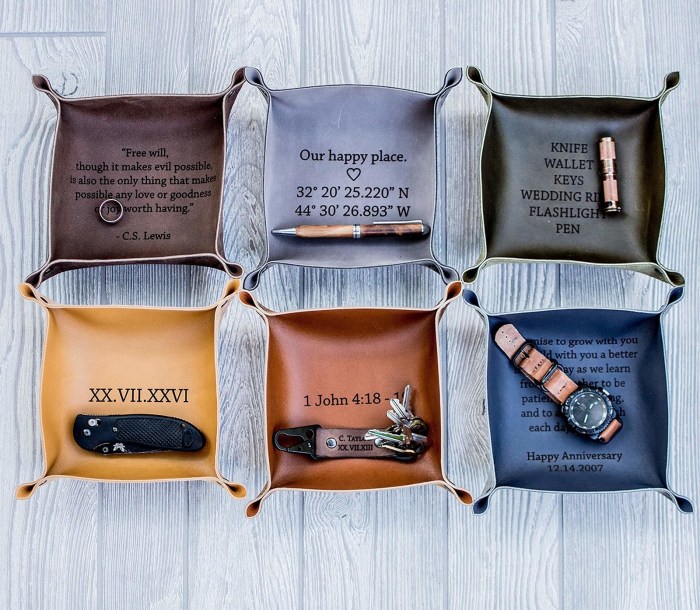
Personalized cushions, with their ability to evoke strong emotional connections, present a unique opportunity in the home décor market. Successfully marketing these products requires a nuanced approach that goes beyond simply highlighting features. A targeted strategy, coupled with a compelling brand narrative, is crucial for driving sales and establishing a loyal customer base.
Effective Marketing Strategies
A comprehensive marketing strategy for personalized cushions should leverage both digital and traditional channels. Emphasis on visual storytelling through high-quality product photography and compelling copy is essential. Building a strong online presence, including a user-friendly website and active social media engagement, is paramount. Early adopters and influencers can be valuable assets to generate buzz and drive initial sales.
A crucial element is offering exceptional customer service, ensuring a positive experience from initial inquiry to product delivery.
Online Marketing Campaigns
Tailoring online marketing campaigns to specific customer segments is key to maximizing impact. For instance, targeting young couples with whimsical designs and affordable options can be highly effective. A campaign focused on corporate gifting could highlight the personalized touch, showcasing the cushions as unique corporate mementos. By understanding the desires and motivations of each target audience, campaigns can be crafted to resonate deeply.
A crucial component of these campaigns is ensuring seamless navigation across all online touchpoints.
Advertising Channels and Strengths/Weaknesses
| Channel | Strengths | Weaknesses ||———————-|—————————————————————————————————————————————————————————————————————————————————————————————————|——————————————————————————————————————————————————————————————————————————————————————–|| Social Media (e.g., Instagram, Facebook) | High potential for visual storytelling, direct engagement with customers, targeted advertising, and cost-effectiveness.
| Requires consistent content creation, can be competitive in terms of reach, and reliance on algorithms can limit visibility.
|| Search Engine Marketing (SEM) | High visibility, ability to target specific s and customer needs, potential for immediate impact on sales.
| Can be costly, and success depends on ongoing optimization and careful selection.
|| Email Marketing | Direct communication with customers, high return on investment (ROI) when segmented and targeted, opportunity to nurture leads and build relationships.
| Requires building an email list and maintaining a high level of engagement to avoid being perceived as spam.
|| Influencer Marketing | Potential for reaching a wider audience, building trust and credibility through endorsements from respected figures, ability to tap into niche communities.
| Can be challenging to find the right influencers, and costs can vary greatly depending on the influencer’s reach and engagement rate.
|
Pricing Strategies
Pricing personalized cushions requires careful consideration of both customization and material costs. A tiered pricing system based on the complexity of the design, materials used (e.g., premium fabrics versus standard options), and quantity ordered can be a valuable approach. Competitive analysis is crucial to ensure pricing remains attractive while maintaining profitability. For example, offering discounts on bulk orders or seasonal promotions can attract larger purchases.
“Value-based pricing, focusing on the perceived benefit of personalization, is often more effective than simply pricing based on material cost.”
Building Brand Identity
A strong brand identity is essential to differentiate personalized cushions from competitors. This involves establishing a unique brand voice and visual style, consistently communicating brand values, and showcasing the craftsmanship behind the products. Storytelling is critical to connect with customers on an emotional level. For instance, highlighting the origin of materials, the dedication of artisans, or the personal touch behind each design can create a compelling narrative.
Building trust and credibility through transparent practices and ethical sourcing will strengthen brand loyalty.
Customer Experience and Feedback
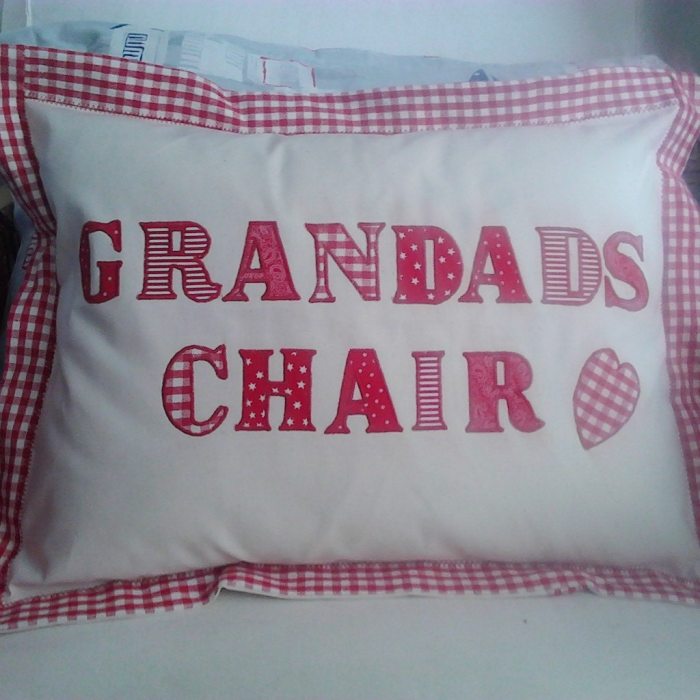
Personalized cushions, with their ability to inject a touch of unique style into a space, depend critically on a positive customer experience. A seamless journey, from initial browsing to final delivery and beyond, is essential for fostering customer loyalty and driving repeat business. This section delves into crafting that ideal experience, from exceptional customer service to actionable feedback mechanisms.
Ideal Customer Experience
A superior customer experience for personalized cushion purchases begins with a user-friendly website or platform. Easy navigation, clear product descriptions, and intuitive design customization tools are paramount. Visual representations of the final product, including options for color palettes and fabric textures, should be prominently displayed. The checkout process should be secure and straightforward, minimizing friction points and maximizing efficiency.
Providing multiple payment options and transparent shipping estimates further enhance the experience. Post-purchase, timely delivery updates and the option for tracking the order contribute to a positive perception. Finally, a robust after-sales support system, ready to address any queries or concerns, solidifies the positive impression.
Excellent Customer Service Practices
Exceptional customer service is not just about resolving issues; it’s about proactively anticipating and addressing customer needs. Providing multiple contact channels, such as email, phone, and live chat, allows customers to interact in a way that suits them best. Friendly, knowledgeable, and empathetic representatives are crucial. Prompt responses, clear explanations, and a genuine willingness to help build trust and loyalty.
For instance, proactively offering personalized recommendations based on previous purchases or browsing history can significantly improve the customer journey. Personalized follow-up emails after delivery, confirming satisfaction and soliciting feedback, further strengthens the connection.
Gathering Customer Feedback
Collecting and analyzing customer feedback is vital for continuous improvement. Implementing feedback mechanisms, such as online surveys, feedback forms on the website, and dedicated social media channels, ensures a constant stream of valuable insights. Actively seeking reviews on platforms like Google My Business or dedicated review websites provides crucial third-party validation and helps identify areas needing improvement. Analyzing feedback data, identifying recurring themes, and implementing necessary changes, such as improving product design or enhancing customer service protocols, demonstrates a commitment to customer satisfaction.
Analyzing this data also reveals valuable market trends and helps in making informed decisions.
Customer Service Channels and Response Times
A well-structured customer service system ensures timely responses to inquiries and concerns. A comprehensive table outlining different service channels and their respective response times is essential:
| Channel | Ideal Response Time |
|---|---|
| Within 24 hours | |
| Phone | Within 1-2 hours during business hours |
| Live Chat | Within 5 minutes during business hours |
| Social Media | Within 24 hours |
These targets provide a benchmark for performance and help in maintaining customer expectations.
Handling Customer Complaints Effectively
Handling customer complaints effectively and efficiently is paramount to preserving customer relationships. A structured approach, involving a dedicated complaint resolution team or a designated employee, ensures a consistent and professional response. Acknowledging the complaint promptly, listening actively to the customer’s concerns, and offering a sincere apology, if appropriate, are crucial initial steps. Investigating the root cause of the complaint and implementing corrective measures to prevent future occurrences is vital.
Offering a satisfactory resolution, whether it’s a refund, replacement, or a discount, demonstrates a commitment to customer satisfaction and fosters trust. Following up after the resolution to ensure the issue has been addressed effectively and to solicit feedback on the resolution process further strengthens the customer relationship.
Market Trends and Analysis
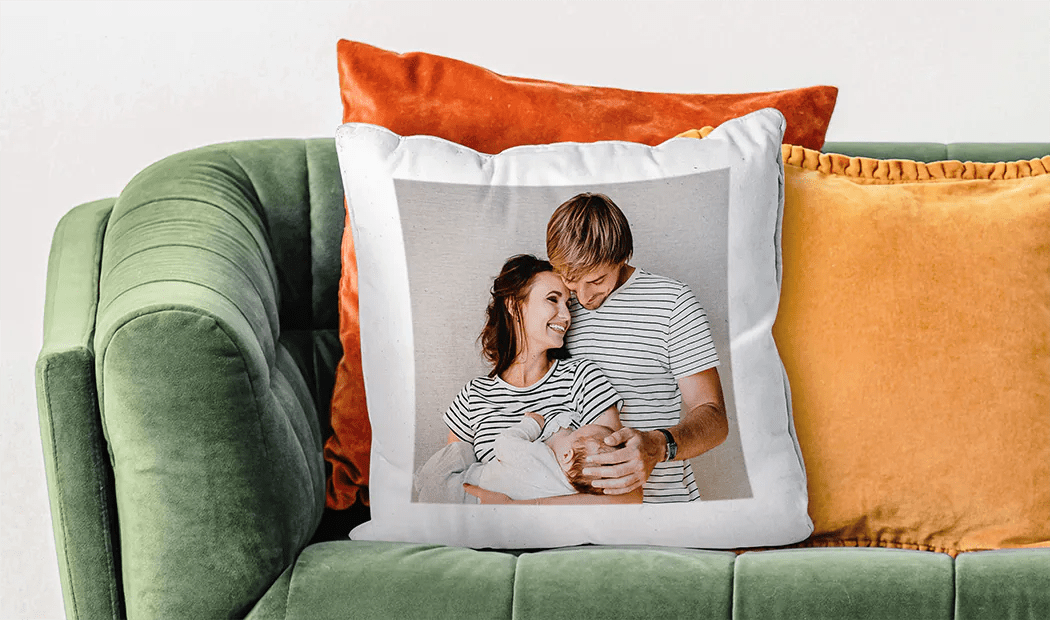
Personalized cushions are tapping into a growing consumer desire for unique and expressive home décor. This trend, fueled by online marketplaces and a focus on individual style, presents a significant opportunity for businesses offering customized products. The market is evolving beyond simple customization, incorporating intricate designs and premium materials.The personalized cushion market demonstrates strong growth potential. As consumer demand for unique and personalized products increases, so does the opportunity for companies to leverage this trend and differentiate themselves from mass-produced goods.
This growth is particularly evident in the online retail space, where customers actively seek personalized items.
Current Market Trends
The market for personalized cushions is driven by several key trends. Consumers increasingly value items that reflect their individual personalities and styles. Personalized products allow for the expression of personal tastes, which is a significant driver in this market. Furthermore, the rising popularity of online marketplaces provides a platform for personalized cushion sellers to reach a wider audience.
This allows for targeted marketing and direct engagement with consumers.
Growth Potential
The market for personalized cushions exhibits considerable growth potential. The increasing desire for unique and personalized home décor is a key driver of this expansion. As consumers become more accustomed to customizing their living spaces, the market for personalized cushions is likely to expand further. This is evident in the growing number of companies offering personalized products and the increased consumer interest in unique and distinctive items.
Price Comparison
Personalized cushions typically command a higher price point compared to mass-produced cushions. The added value of customization, including unique designs, premium materials, and intricate craftsmanship, often justifies the higher cost. However, the premium price reflects the value placed on individuality and the unique aesthetic appeal that personalization brings. For example, a custom-designed cushion with high-quality fabric and embroidery might cost twice as much as a standard mass-produced cushion.
Impact of Online Platforms
Online platforms have significantly impacted the personalized cushion market by providing wider reach and increased accessibility for consumers. Online marketplaces and e-commerce platforms enable businesses to connect directly with customers globally. This direct interaction fosters a deeper understanding of consumer preferences and facilitates the customization process. Moreover, online platforms facilitate product discovery and comparison, which empowers consumers to find the perfect personalized cushion for their needs.
Evolving Consumer Preferences
Consumer preferences in the personalized product market are evolving toward sophisticated designs, high-quality materials, and a stronger emphasis on sustainability. Consumers are increasingly seeking items that align with their personal values and environmental consciousness. This trend translates to a preference for personalized cushions crafted from eco-friendly materials and incorporating intricate, unique designs that go beyond basic customization.
Sustainability and Ethical Considerations
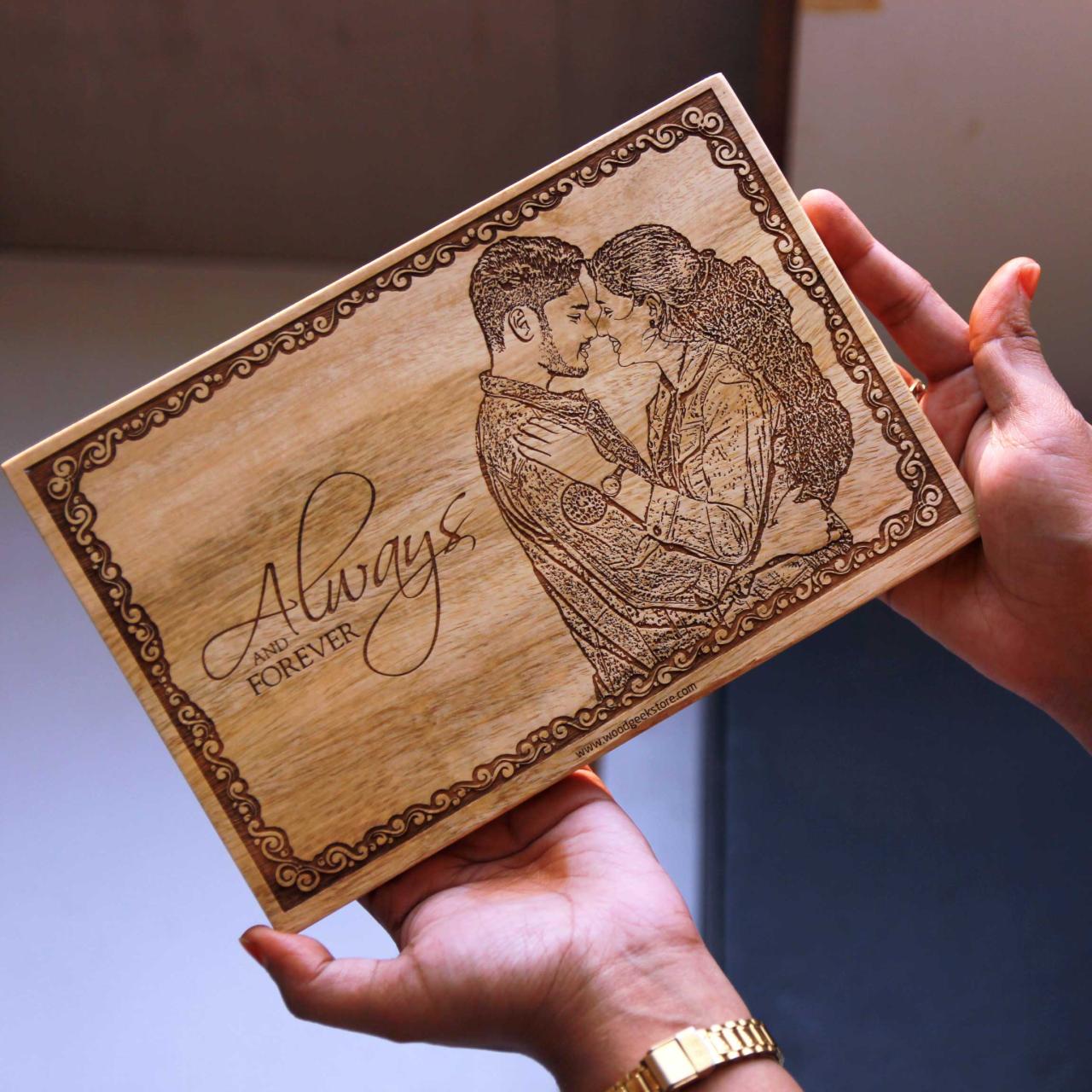
The growing consumer demand for sustainable and ethically produced goods extends to the personalized cushion market. Companies must carefully evaluate the environmental impact of their manufacturing processes and source materials to build trust and maintain a competitive edge. This includes scrutinizing the entire lifecycle of the product, from raw material acquisition to disposal.Beyond the environmental impact, ethical sourcing and fair labor practices are crucial.
Consumers increasingly expect brands to demonstrate transparency and accountability throughout their supply chains, ensuring the well-being of workers and the fair treatment of communities. This encompasses factors like worker safety, fair wages, and the absence of child labor.
Environmental Impact of Production
Personalized cushions, like many consumer products, involve resource consumption. The production of materials like cotton, polyester, and foam requires significant energy and water. Manufacturing processes can also release harmful emissions, contributing to air and water pollution. Transportation of raw materials and finished products further exacerbates the carbon footprint. The use of synthetic materials often involves the release of greenhouse gases throughout the production cycle.
Quantifying the exact impact requires detailed life cycle assessments, incorporating factors like energy consumption, water usage, and waste generation.
Sustainable Practices in Production
Several sustainable practices can minimize the environmental footprint of personalized cushion production. These include the use of recycled materials, responsible sourcing of raw materials from sustainably managed farms, and minimizing waste generation through efficient manufacturing processes. Utilizing renewable energy sources during production can also reduce reliance on fossil fuels. Innovative designs and packaging methods can also reduce the overall environmental impact.
Ethical Sourcing of Materials
Ethical sourcing involves ensuring that the materials used in personalized cushions are obtained through responsible and fair practices. This includes verifying that raw materials are sourced from farms or suppliers that prioritize environmental sustainability and worker safety. For example, organic cotton or recycled polyester fibers can be used as alternatives to conventional materials. Certifications like Global Organic Textile Standard (GOTS) or Fair Trade can signal a commitment to ethical sourcing practices.
Transparency in the supply chain is essential to build trust with consumers who are increasingly concerned about the origin and production of their goods.
Social Responsibility Factors
Social responsibility extends beyond the environmental impact and encompasses the well-being of workers involved in the production of personalized cushions. Fair wages, safe working conditions, and freedom from exploitation are essential considerations. Companies should conduct thorough audits of their supply chains to ensure compliance with labor standards and avoid instances of child labor or forced labor. Supporting local communities through fair trade practices and providing training and development opportunities for workers can further enhance social responsibility.
Incorporating Recycled Materials
The incorporation of recycled materials offers a significant opportunity to reduce the environmental impact of personalized cushion production. Recycled polyester, for example, can be a sustainable alternative to virgin polyester. Using recycled cotton, or other recycled materials like plastic bottles, can significantly reduce the demand for new raw materials and minimize landfill waste. This approach aligns with the growing global movement toward circular economy principles, promoting the reuse and recycling of materials to minimize environmental impact.
Examples include using recycled plastic bottles for filling or recycled cotton fabrics for the cushion covers.
Competitive Landscape
The personalized cushion market is experiencing robust growth, attracting a diverse range of competitors. Understanding the competitive landscape is crucial for navigating the market effectively and identifying opportunities for differentiation. This analysis examines key players, their strategies, and emerging trends to provide insights into the competitive landscape.The competitive landscape in the personalized cushion market is characterized by a mix of established players and emerging startups.
Established brands often leverage economies of scale and brand recognition, while startups bring innovative designs and focused marketing strategies. Pricing strategies and marketing approaches vary significantly, creating a complex and dynamic environment for new entrants.
Key Competitors
Several companies dominate the personalized cushion market, offering diverse product lines and customization options. These include established players with a strong online presence, as well as newer brands focused on niche markets. Recognizing the specific strengths and weaknesses of these competitors is crucial for strategic positioning.
Competitor Product Strengths and Weaknesses
Different competitors excel in various areas. Some prioritize high-quality materials and craftsmanship, while others focus on unique design aesthetics. Conversely, some may struggle with production efficiency or customer service responsiveness. A detailed analysis of strengths and weaknesses helps identify opportunities for differentiation. For instance, a competitor might excel in premium fabrics but have limited customization options, creating a niche for a competitor focusing on a wider range of personalization options.
Pricing Strategies
Pricing strategies vary considerably. Some competitors utilize a premium pricing model to reflect high-quality materials and craftsmanship, while others adopt a more accessible pricing structure to attract a broader customer base. Analyzing these pricing strategies helps assess the target market and the perceived value proposition. For example, a competitor might offer a tiered pricing system based on the level of customization.
Successful Marketing Campaigns
Successful marketing campaigns often leverage social media platforms, influencer collaborations, and targeted advertising to reach specific customer segments. For example, a competitor might partner with interior design influencers to showcase the cushions in various home decor settings, thus appealing to their target audience. Understanding these strategies is critical for developing effective marketing campaigns.
Competitive Advantages and Disadvantages
Competitive advantages can stem from unique designs, superior materials, or exceptional customer service. Conversely, disadvantages might include high production costs, limited brand recognition, or a narrow product range. Understanding these nuances helps in developing a strategy to capitalize on strengths and mitigate weaknesses. For example, a competitor focusing on a specific niche market (e.g., eco-friendly cushions) can leverage that as a key advantage.
Future of Personalized Cushions
The personalized cushion market, poised for growth, is evolving beyond simple name monograms. Innovations in design, technology, and consumer demand are reshaping the landscape, promising a future where these comforting accessories become more than just decorative elements. The industry is moving towards a more sophisticated understanding of individual preferences and needs, blending comfort with personalized aesthetics.
Future Trends in Personalized Cushion Design and Customization
The future of personalized cushions will likely see a move beyond basic text or imagery. Expect to see greater integration of sophisticated design elements, such as intricate embroidery, custom patterns, and unique fabric textures. Consumers will likely seek cushions that align with specific moods or décor styles, driving demand for a wider array of materials and color palettes.
This trend is already evident in the growing popularity of statement cushions, showcasing unique and bold patterns.
Potential Impact of New Technologies on the Personalized Cushion Industry
Emerging technologies like 3D printing and advanced material science are poised to revolutionize personalized cushion production. 3D printing allows for complex and intricate designs, potentially leading to custom-shaped cushions that cater to specific body types and preferences. Furthermore, the use of advanced materials, such as memory foam with integrated temperature regulation, can offer personalized comfort levels.
Role of Personalization in the Evolving Home Décor Market
Personalization is becoming a crucial aspect of home décor. Consumers increasingly seek ways to express their unique identities and create spaces that reflect their personalities. Personalized cushions, with their ability to seamlessly integrate into various interior styles, will play a significant role in this trend. The demand for curated and personalized home environments is a major driver for the growing market.
Innovative Personalization Methods for Cushions
The industry will see an increase in innovative personalization methods. Beyond embroidery and printed designs, consider incorporating elements like embedded aromatherapy diffusers, customizable lighting embedded in the cushion fabric, or even integrated sound systems. These innovative approaches could transform cushions into multi-functional elements, blending comfort with entertainment and well-being.
Potential Growth Opportunities in the Personalized Cushion Market
The personalized cushion market presents several growth opportunities. A crucial area is expanding into niche markets, such as creating cushions tailored for specific needs (e.g., ergonomic cushions for back support or anti-stress cushions). Moreover, exploring collaborations with interior designers and home décor brands can introduce personalized cushions to new customer segments. Additionally, e-commerce platforms and social media marketing will play a critical role in expanding the reach of personalized cushion offerings.
Technical Specifications and Features
Personalized cushions, a burgeoning market segment, demand meticulous attention to technical specifications. From material selection to custom design, the details underpin the product’s appeal and longevity. Understanding these nuances is crucial for manufacturers, designers, and consumers alike.
Technical Specifications for Various Cushion Types
The precise specifications of a personalized cushion directly impact its comfort, durability, and overall appeal. Cushion types, ranging from basic lumbar supports to elaborate decorative pieces, each require tailored technical specifications.
| Cushion Type | Material | Filling | Dimensions (approx.) |
|---|---|---|---|
| Lumbar Support | Cotton blend, breathable mesh | High-density foam, memory foam | 18″ x 12″ x 4″ |
| Decorative Throw Pillow | Velvet, linen, polyester | Down, feather, polyester fiberfill | 18″ x 18″ |
| Floor Cushion | Cotton canvas, jute | Polyester fiberfill, buckwheat hulls | 24″ x 24″ x 6″ |
Closure Types and Functionality
Cushion closures vary significantly, influencing both aesthetic appeal and practical use. The choice of closure directly affects the cushion’s lifespan and ease of maintenance.
- Zipper closures are widely used for their durability and ease of access for filling replacement or cleaning. They are ideal for cushions with complex designs or high-quality fillings.
- Velcro closures offer a convenient, quick-release solution. This option is suitable for smaller cushions or those requiring a faster setup and teardown.
- Button closures provide a classic aesthetic, often used in decorative cushions. Their functionality is straightforward, though replacement might be slightly more involved.
Custom Shapes and Sizes
Creating personalized cushions often involves custom shapes and sizes. This requires specialized tooling and a precise understanding of the manufacturing process.
The process involves creating a digital template of the desired shape, followed by the precise cutting of the fabric and filling. Advanced techniques, like 3D printing or laser cutting, are employed to achieve complex geometries and sizes.
Filling Materials and Comfort
The choice of filling material significantly impacts the cushion’s comfort and support. Consideration should be given to the specific needs of the end-user.
- Memory foam offers superior pressure relief and conforms to the body’s shape, ideal for prolonged sitting or back support. A common example is the use of memory foam in ergonomic office chairs.
- Down and feather fillings provide a soft, plush feel. However, they may not offer the same level of support as denser fillings.
- Polyester fiberfill is a cost-effective option, offering a balance of comfort and support. It is commonly used in throw pillows and decorative cushions.
Quality Assurance in Personalized Cushions
Ensuring the quality of personalized cushions is paramount. Thorough quality control measures are essential to maintaining brand reputation and customer satisfaction.
- Rigorous inspections at various stages of production are crucial to identify and rectify any defects.
- Quality assurance should extend to the materials used, ensuring they meet the specified standards of durability, comfort, and aesthetic appeal.
- Testing procedures should be implemented to verify the filling material’s support, durability, and longevity.
Final Summary
The personalized cushion market, brimming with creative potential and evolving consumer preferences, presents a compelling opportunity for entrepreneurs and businesses. From material selection to marketing strategies, the intricate details explored highlight the crucial aspects of success in this sector. A nuanced understanding of the target audience, coupled with a commitment to quality and sustainability, will be essential to navigate the complexities and capture the growing demand.
