
From humble beginnings to haute cuisine, salt and pepper shakers have evolved alongside culinary practices and design trends. More than mere accessories, these seemingly simple vessels hold a rich history, reflecting social norms, technological advancements, and cultural values. Their journey is a fascinating exploration of craftsmanship, material science, and the enduring human need to enhance flavor.
This exploration delves into the historical context of salt and pepper shakers, tracing their evolution through design variations, materials, and manufacturing processes. It examines the cultural significance of these ubiquitous kitchen companions and analyzes contemporary trends in their design and usage. The discussion also considers the importance of collections, preservation, and how these small items can be tailored to specific settings, from formal dining to casual kitchens.
Historical Context
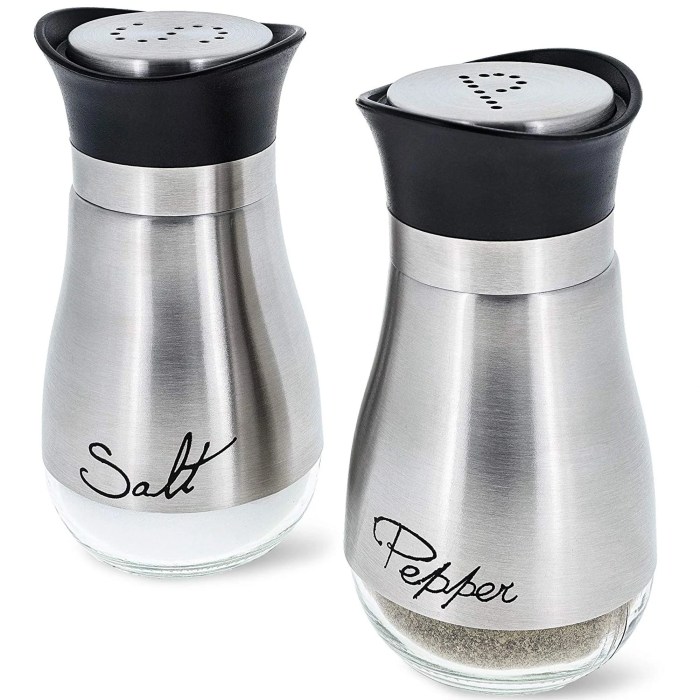
Salt and pepper shakers, seemingly simple vessels, hold a rich history intertwined with culinary practices, social norms, and technological advancements. Their evolution mirrors broader societal changes, reflecting shifts in material availability, manufacturing techniques, and aesthetic preferences. From humble beginnings to elaborate designs, the story of the salt and pepper shaker is a microcosm of human ingenuity and cultural exchange.The early forms of salt and pepper dispensers were often integrated into larger serving platters or utensils.
This reflects a time when individual containers for spices were less prevalent. Over time, dedicated containers for salt and pepper emerged, reflecting a growing emphasis on individual portions and the desire to maintain the separate flavors of each ingredient.
Early Forms and Materials
Early salt and pepper shakers often utilized materials readily available, such as ceramic, wood, or even simple metal alloys. These early designs were frequently functional over decorative, prioritizing practicality in a time when resources were not as readily accessible as in later periods. Their shapes were often simple, mimicking the forms of everyday objects or drawing inspiration from regional traditions.
For example, in some regions, wooden salt cellars were carved with intricate patterns reflecting local artistic styles.
Evolution of Design
The advent of new materials, particularly during the Industrial Revolution, led to a surge in creativity and innovation in shaker design. The introduction of glass, porcelain, and later, cast iron, allowed for more elaborate forms and decorative elements. The growing availability of these materials enabled a move away from solely functional designs toward pieces that could serve as decorative elements on the dining table.
This period also saw the development of the iconic salt and pepper shakers as a recognizable set, reinforcing their significance in the dining experience.
Social and Cultural Significance
Salt and pepper shakers were not merely functional objects; they played a role in social and cultural practices. The act of seasoning food with salt and pepper became an integral part of the dining experience, reflecting a growing understanding of flavor and taste. This custom, coupled with the aesthetic appeal of the shakers, elevated the significance of the dining table as a symbol of status and sophistication.
In many cultures, the presentation of salt and pepper, along with other tableware, signaled respect for the guests and the occasion. For instance, in some historical accounts, the quality of salt and pepper shakers used in a household could signify the social standing of the family.
Influence of Material Availability
The availability of materials directly impacted the styles of salt and pepper shakers. For example, the prevalence of glass during the 19th century led to the creation of elegant and transparent shakers, highlighting the contents within. Conversely, the use of ceramic or porcelain in earlier periods often resulted in more rustic and hand-crafted designs. The scarcity of certain materials during wartime or economic downturns often resulted in simpler and more practical designs.
The choice of materials and manufacturing processes thus served as a powerful reflection of the economic and social climate of the time.
Design Variations
Salt and pepper shakers, seemingly simple vessels, have evolved through a fascinating array of styles, reflecting cultural preferences and technological advancements. Their design journey mirrors broader trends in decorative arts, showcasing the interplay of function and aesthetic. From rudimentary forms to highly ornate pieces, the shakers’ visual language offers a glimpse into historical sensibilities and artistic innovations.The evolution of salt and pepper shakers demonstrates a profound interplay between practical necessity and artistic expression.
Different shapes, materials, and decorative elements not only served a functional purpose but also reflected the prevailing tastes and craftsmanship of their time. This evolution is evident in the diverse styles that emerged across cultures and centuries, offering a window into the changing aesthetic preferences of different societies.
Shape Variations
The fundamental shape of salt and pepper shakers has undergone significant transformations. Early designs often resembled rudimentary containers, showcasing a focus on functionality over aesthetics. Later designs incorporated more elaborate forms, incorporating curves, angles, and symmetry. The evolution of these shapes, from simple cylinders to intricate sculptural pieces, reflects the changing understanding of design principles. This evolution is particularly noticeable in the transition from the functional, utilitarian vessels of the past to the more decorative and artistic pieces of the present.
Material Innovations
The materials used to craft salt and pepper shakers have spanned a wide spectrum, each offering unique aesthetic and practical properties. Porcelain, with its smooth surface and ability to hold detail, has been a popular choice for centuries. Glass, particularly in the form of blown glass, enabled intricate designs and a transparency that enhanced visual appeal. Metal, ranging from wrought iron to polished stainless steel, introduced a different texture and level of durability.
The material choice often dictated the potential for decorative elements, like engravings or enamel work, further enhancing the visual appeal of the shakers.
Aesthetic Influences
The aesthetic design of salt and pepper shakers has been profoundly shaped by the artistic trends of the time. Rococo-style shakers, with their elaborate curves and ornamentation, exemplify the opulence of the era. Art Nouveau shakers often featured organic forms and flowing lines, reflecting a shift towards nature-inspired designs. Modernist designs emphasized simplicity and functionality, while contemporary shakers often push the boundaries of creativity, experimenting with unconventional materials and forms.
These diverse aesthetic influences demonstrate the enduring connection between design and broader cultural movements.
Cultural Differences
Cultural variations in salt and pepper shaker design offer a fascinating glimpse into the diverse artistic sensibilities of various regions. Asian designs, for example, often incorporate intricate carvings and symbolic motifs. European designs, particularly in the 18th and 19th centuries, were heavily influenced by the prevailing Baroque and Rococo styles. These differences highlight the role of cultural context in shaping aesthetic preferences.
The distinct characteristics of different cultural styles provide valuable insights into the interplay of tradition, craftsmanship, and artistry in the development of salt and pepper shakers.
Craftsmanship and Visual Appeal
The quality of craftsmanship plays a crucial role in determining the visual appeal of salt and pepper shakers. Hand-painted details, intricate carvings, and meticulously crafted metalwork all contribute to the overall aesthetic impact. The skill and attention to detail evident in these pieces often elevate them from mere functional objects to treasured decorative items. Examples include antique shakers with highly detailed engravings or hand-painted porcelain shakers.
The artistry of the craftsman directly influences the visual language of the shaker, reflecting the meticulous work and care put into the creation process.
Innovative and Unique Designs
Innovative and unique designs push the boundaries of traditional salt and pepper shaker aesthetics. Contemporary designs often explore unconventional materials, such as recycled glass or resin. Sculptural designs that combine functionality with artistic expression are gaining popularity. The incorporation of interactive elements, such as concealed mechanisms or lighting systems, further enhances the uniqueness of these pieces. Innovative designs frequently reflect the spirit of experimentation in contemporary art, adding a layer of intrigue and sophistication to the humble salt and pepper shaker.
Materials and Manufacturing
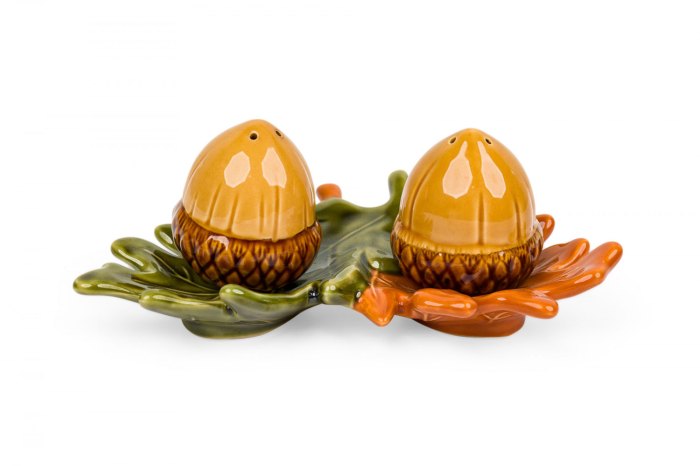
Salt and pepper shakers, ubiquitous kitchen companions, reveal a fascinating interplay of materials and manufacturing processes. Their seemingly simple forms mask intricate design choices that impact everything from durability to environmental footprint. The selection of materials often dictates the shaker’s aesthetic, functionality, and ultimate lifespan.The variety of materials used in salt and pepper shakers reflects a broad spectrum of design choices, each with its own advantages and disadvantages.
From the familiar ceramic to the increasingly popular sustainable options, the choice of material shapes the overall experience of using the shaker. The manufacturing process further contributes to the final product, impacting its cost, availability, and aesthetic appeal.
Ceramic Shakers
Ceramic shakers, often favored for their classic aesthetic and affordability, offer a diverse range of designs and colors. Their production involves shaping raw ceramic material into the desired form, followed by firing in a kiln at high temperatures. This process results in a hard, durable product resistant to chipping and cracking, but potentially more prone to breakage during transit.
The environmental impact depends heavily on the specific type of clay and the energy consumption of the kiln.
Glass Shakers
Glass shakers, known for their transparency and sleek design, offer a visually appealing alternative. Manufacturing involves molding molten glass into the required shape, followed by cooling and finishing processes. Glass is generally durable, resistant to staining, and easy to clean. However, it can be more fragile than ceramic, potentially leading to breakage during handling or shipping. The environmental impact of glass production relies on the energy sources used in the melting process.
Metal Shakers
Metal shakers, especially those made of stainless steel, are valued for their robustness and ability to withstand daily use. Manufacturing methods include stamping, casting, or forging, depending on the complexity of the design. Metal shakers are generally highly durable, requiring minimal maintenance. However, the material’s weight and potential for rusting should be considered. The environmental impact depends on the metal’s sourcing, processing, and potential for recycling.
Wood Shakers
Wood shakers, often associated with rustic or handcrafted aesthetics, are crafted from various wood types. Manufacturing usually involves carving or turning the wood into the desired shape. The inherent beauty of the wood often outweighs its durability compared to other materials, as wood is susceptible to moisture damage and insect infestation. The environmental impact depends heavily on the source of the wood and the sustainability of the harvesting practices.
Manufacturing Processes
The manufacturing processes for salt and pepper shakers vary significantly depending on the material. Ceramic involves shaping, drying, and firing. Glass utilizes molding and shaping techniques. Metal often uses stamping or forging, and wood employs carving or turning. The complexity of these processes impacts the cost and availability of the finished product.
Precision in manufacturing is crucial to ensure the functionality and aesthetic appeal of the shakers.
Durability and Maintenance
The durability of salt and pepper shakers differs substantially based on the material. Ceramic and metal tend to be more durable than glass or wood. Maintenance requirements are also influenced by the material. Ceramic and glass generally require simple cleaning, while metal may need more frequent cleaning to prevent rust. Wood, due to its porosity, may require more careful handling and protection from moisture.
Environmental Impact
The environmental impact of salt and pepper shakers is significant. The manufacturing processes consume energy, generate waste, and may involve sourcing materials from environmentally sensitive regions. The selection of sustainable materials and responsible manufacturing practices are crucial in minimizing the environmental footprint. Recycling programs and the use of recycled materials can contribute to a more environmentally conscious production process.
Companies are increasingly adopting eco-friendly manufacturing methods to mitigate their environmental impact.
Functionality and Usability
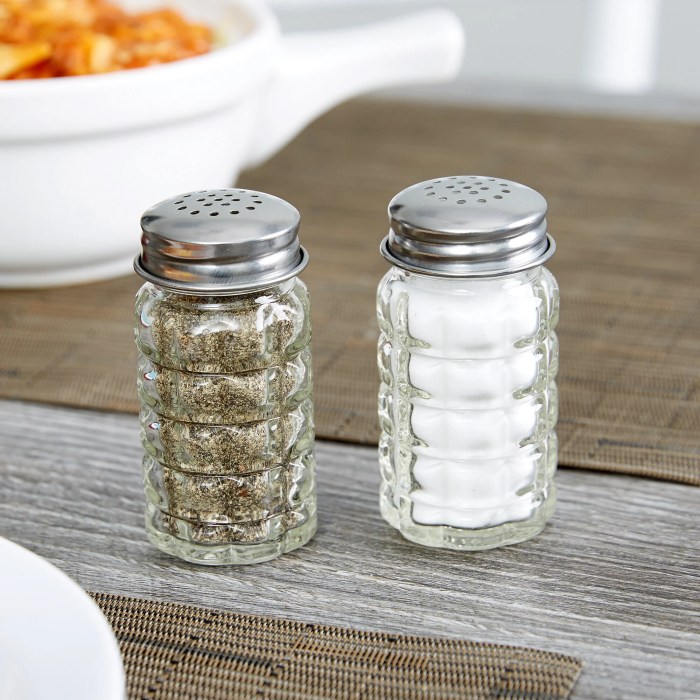
Salt and pepper shakers, seemingly simple kitchen implements, are surprisingly sophisticated in their design. Their usability hinges on factors beyond mere aesthetics, demanding ergonomic considerations for easy operation and efficient dispensing. Understanding these design elements reveals a story of continuous refinement aimed at enhancing the user experience.The effectiveness of salt and pepper shakers hinges on a precise interplay of design elements.
From the shape of the container to the mechanism controlling the flow of seasoning, every detail contributes to a user-friendly experience. This intricate design balances ease of use with the critical task of controlling the release of the seasoning.
Ergonomic Design Considerations
The ergonomic design of salt and pepper shakers prioritizes comfort and ease of use during everyday tasks. Shape, size, and weight are all meticulously considered to reduce strain during prolonged use. A well-designed shaker is comfortable to hold and maneuver, ensuring a positive user experience. For instance, a slightly tapered shape might be preferred for a better grip, while a balanced weight distribution contributes to a more stable feel.
These seemingly minor details collectively contribute to a user experience that feels natural and intuitive.
Design Elements Enhancing Functionality
Several design elements contribute significantly to the functionality of salt and pepper shakers. A crucial aspect is the mechanism’s ability to regulate the flow of seasoning, preventing over-dispensing or clogging. The size and shape of the opening, along with the internal structure, determine the dispensing rate and consistency. The use of materials that don’t react with the seasoning is also important, preventing unwanted chemical reactions or altering the flavor.
Dispensing Mechanisms and User Experience
Various dispensing mechanisms exist, each influencing the user experience in distinct ways. The classic turn-style mechanism, common in many shakers, provides predictable and controlled dispensing. Some shakers use a flip-top or a twist-top, offering an alternative dispensing method. The impact on the user experience is related to the ease and precision with which the user can control the flow of seasoning.
For example, a twist-top mechanism might be better suited for those who want a more precise control over the amount dispensed, while a flip-top mechanism is often preferred for speed and convenience.
Types of Dispensing Mechanisms
| Dispensing Mechanism | Description | Impact on User Experience |
|---|---|---|
| Turn-style | A traditional mechanism involving turning a knob or cap. | Provides controlled dispensing and a familiar experience. |
| Flip-top | A mechanism where a lid or top flips up or down to dispense seasoning. | Often quicker than turn-style, but potentially less precise. |
| Twist-top | A mechanism involving twisting a top to control the release of seasoning. | Offers a balance between precision and speed, suitable for various preferences. |
The table above illustrates the different types of dispensing mechanisms and their associated user experiences. The choice of mechanism directly affects how users interact with the shaker and how easily they can control the seasoning release. Each method presents a different balance of speed, precision, and convenience.
Cultural Significance
Salt and pepper shakers, seemingly simple kitchenware, hold a rich tapestry of cultural significance, reflecting culinary traditions, ceremonial practices, and decorative aesthetics across the globe. Their presence in homes and restaurants often transcends their functional purpose, becoming imbued with symbolic meaning and historical context. These ubiquitous accessories offer a glimpse into the values and customs of different societies.Beyond their basic function, salt and pepper shakers often embody symbolic representations and cultural narratives.
Their design, materials, and placement can all contribute to a deeper understanding of a culture’s aesthetic preferences and underlying beliefs.
Culinary and Ceremonial Practices
Salt and pepper shakers play an important role in various culinary and ceremonial traditions. In many cultures, salt is considered a vital ingredient, often associated with preservation and purification. Similarly, pepper, with its pungent aroma and flavor, has been used in ceremonies and rituals for centuries. The pairing of salt and pepper often symbolizes the balance of flavors and experiences.
Decorative Elements in Homes and Restaurants
Salt and pepper shakers frequently serve as decorative elements in homes and restaurants. Their design, color, and material can enhance the overall aesthetic of a space. For example, a set of intricately carved wooden shakers might complement a rustic farmhouse style, while a sleek, modern set could enhance a contemporary kitchen. Restaurants often choose shakers that complement the restaurant’s theme and brand image.
The selection of salt and pepper shakers can subtly convey a restaurant’s ambiance, from casual to sophisticated.
Symbolic Meanings Across Cultures
The symbolic meaning of salt and pepper shakers varies significantly across different cultures. In some traditions, salt represents hospitality and friendship, while pepper might signify warmth or a welcome. In certain Eastern cultures, salt and pepper are used in ceremonial offerings or auspicious events. The symbolic value is often deeply rooted in cultural narratives and beliefs, sometimes tied to religious practices.
Examples of Different Cultural Interpretations
| Culture | Symbolic Meaning | Example |
|---|---|---|
| Many Western Cultures | Balance of flavors; essential ingredients | A simple, unadorned salt and pepper set on a kitchen counter |
| Some Eastern Cultures | Ceremonial significance; offering to deities | Ornate salt and pepper shakers used in religious ceremonies or temple offerings |
| African Cultures | Hospitality and celebration; essential elements for meals | Elaborately carved salt and pepper shakers used in communal feasts and gatherings |
The table above highlights the diverse ways salt and pepper shakers are viewed across different cultures. Each cultural interpretation adds another layer to the understanding of these seemingly simple accessories.
Contemporary Trends
Salt and pepper shakers, seemingly simple kitchen implements, are experiencing a resurgence of design innovation. Modern materials, advanced manufacturing techniques, and evolving home decor aesthetics are driving a wave of creativity in their form and function. This evolution reflects a broader trend of personalization and a desire for uniquely styled homeware.Contemporary design prioritizes both aesthetic appeal and practical usability.
Manufacturers are exploring new material combinations, exploring ergonomic shapes, and integrating innovative mechanisms to enhance the overall user experience. This shift from traditional forms is driven by consumer demand for unique and functional products that reflect individual tastes.
Current Design Trends
Contemporary salt and pepper shakers often incorporate elements of minimalism, industrial design, or even playful aesthetics. This shift from purely functional to aesthetically pleasing items is a direct response to the growing trend of prioritizing style in home decor. A greater emphasis on craftsmanship and high-quality materials is also evident.
Impact of Modern Materials and Technologies
Advanced manufacturing techniques and the availability of new materials are significantly impacting shaker design. 3D printing, for example, allows for intricate and personalized shapes that were previously unattainable. This technology allows for a greater degree of experimentation and customization, leading to more unique and visually appealing designs. Furthermore, the use of high-quality, food-safe materials like ceramic, glass, or even sustainable alternatives like bamboo or recycled plastic, emphasizes the importance of both form and substance in the design process.
Influence of Home Decor Trends
Home decor trends significantly influence salt and pepper shaker design. For example, the rise of Scandinavian minimalism has led to a greater preference for sleek, simple shapes in neutral color palettes. Conversely, the popularity of maximalist or eclectic design styles has spurred the creation of more ornate and colorful shakers, often featuring geometric patterns or bold finishes. This adaptation underscores the symbiotic relationship between kitchenware and overall interior aesthetics.
Examples of Recent Designs and Innovative Ideas
- Geometric Shapes: Salt and pepper shakers with intricate geometric patterns or modular designs that allow for customization of individual pieces.
- Sustainable Materials: Shakers made from recycled glass, bamboo, or plant-based materials are gaining popularity, aligning with the growing demand for eco-friendly products.
- Interactive Designs: Some manufacturers are incorporating interactive elements, such as mechanisms that allow for controlled dispensing or integrated sensors that adjust the grind size for spices.
- Personalized Designs: 3D-printed salt and pepper shakers are increasingly common, allowing for unique personalization options such as custom engravings, intricate shapes, or even the incorporation of family crests or other personalized details.
- Functional Integration: Shakers with integrated grinders or adjustable dispensing mechanisms are becoming more prevalent, enhancing both the usability and appeal of the product.
Salt and Pepper Shaker Sets
Salt and pepper shakers are more than just kitchen tools; they’re design statements reflecting personal taste and culinary culture. The selection of a salt and pepper shaker set often goes beyond simple functionality, encompassing aesthetics, material, and even a subtle nod to broader design trends. This discussion delves into the nuances of shaker sets, exploring matching and mismatched options and the interplay between form and function.The choice between a matching or mismatched set often hinges on the overall kitchen aesthetic.
A cohesive set, with identical shakers, creates a harmonious and polished look, ideal for kitchens aiming for a uniform, classic appearance. Conversely, a mismatched collection can inject personality and visual interest into a space, allowing for a more eclectic or curated style. The key is to balance the desired visual impact with the practical need for effective dispensing.
Types of Salt and Pepper Shaker Sets
Matching sets, frequently crafted from consistent materials like ceramic, metal, or glass, are a common choice. They often share design elements, creating a unified look. Mismatched sets offer greater flexibility, enabling homeowners to mix and match various materials and styles. For example, a vintage ceramic salt shaker might pair with a modern stainless steel pepper grinder, showcasing a blend of eras and textures.
This variety allows for a more personalized and creative kitchen design.
Matching Sets: A Harmonious Approach
Matching sets, whether vintage or modern, often emphasize consistency in design and material. This approach prioritizes a uniform and polished look, perfect for kitchens with a clear aesthetic direction. A vintage ceramic set, with its traditional, often slightly ornate designs, exemplifies a cohesive and timeless look. Modern sets, often crafted from sleek metal, like stainless steel or brushed copper, emphasize contemporary sophistication, perfectly suited for modern, minimalist kitchens.
Mismatched Sets: A Bold Statement
Mismatched sets provide opportunities for bold statements and unique design choices. These combinations often feature a blend of materials, such as a traditional ceramic salt shaker alongside a contemporary glass pepper mill. The interplay of textures and styles adds a distinctive touch to the kitchen, allowing homeowners to express their individuality. For instance, a weathered wooden salt shaker can be paired with a sleek chrome pepper grinder, creating a striking contrast.
Aesthetics and Functionality in Shaker Sets
The balance between aesthetics and functionality is crucial in shaker set selection. While a set’s design undoubtedly influences its visual appeal, its usability—how easily the shakers dispense salt and pepper—is equally important. A beautiful but poorly designed shaker set is ultimately less satisfying than a practical one that complements the kitchen’s overall style. A set’s ergonomic design significantly impacts its usability.
Comparative Analysis of Shaker Set Styles
| Style | Material | Functionality | Price Range |
|---|---|---|---|
| Vintage | Ceramic | Traditional, often with slightly ornate designs | Mid-range |
| Modern | Metal (e.g., stainless steel, brushed copper) | Sleek, often with streamlined designs | High-end |
| Rustic | Wood, Stone | Earthy, natural aesthetic | Mid-range |
| Contemporary | Glass, Ceramic | Minimalist, clean lines | Mid-range to High-end |
This table provides a concise overview of different shaker set styles, highlighting the relationship between style, material, functionality, and price. Consider the existing kitchen décor when choosing a set.
Collection and Preservation
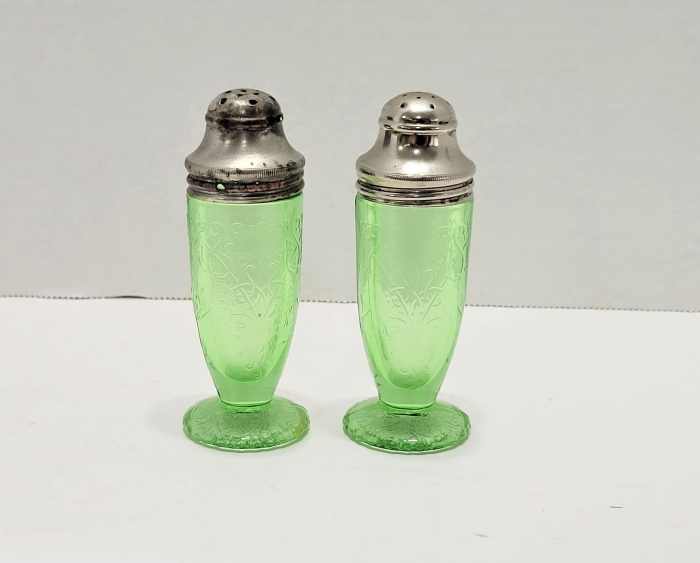
Salt and pepper shakers, often overlooked, can hold surprising historical and aesthetic value. Beyond their functional role, these seemingly simple objects can be exquisite examples of craftsmanship, reflecting design trends and materials from specific eras. This intricate history fuels a growing interest in collecting them, creating a niche market for discerning collectors.Understanding the value of a salt and pepper shaker collection hinges on several factors, ranging from the rarity of the design to the condition of the pieces and the historical significance they represent.
Rarity, quality of materials, maker, and the overall condition of the shakers significantly impact the value of a collection.
Factors Influencing Collection Value
The value of a salt and pepper shaker collection is not solely determined by the number of pieces but by the quality and rarity of the items within. Designs from famous designers, particularly those with limited production runs, command higher prices. The rarity of a design often reflects its limited production or a particular historical significance. Furthermore, the materials used, like hand-blown glass, ceramic, or intricately carved wood, play a crucial role in determining the value.
Shakers made from precious metals or adorned with gemstones hold significantly more value.
Preservation and Care Methods
Proper preservation is essential to maintain the integrity and value of a salt and pepper shaker collection. Regular cleaning is crucial, but it’s vital to use gentle methods to avoid damaging delicate surfaces or finishes. For example, mild dish soap and a soft cloth should be used for most pieces. Avoid harsh chemicals or abrasive cleaners that could scratch or erode the surfaces.
Storage and Handling
Safe storage is equally important. Storing salt and pepper shakers in acid-free archival boxes, ideally lined with acid-free tissue paper or cotton, prevents damage from moisture, dust, and potential chemical reactions. The boxes should be carefully placed on shelves or in cabinets, away from direct sunlight, extreme temperatures, and humidity. Handling the shakers should be done with care, avoiding sudden movements or rough handling.
Using soft gloves while handling the pieces will protect both the pieces and the collector. Collections should be regularly inspected for signs of damage or deterioration.
Salt and Pepper Shaker Use Cases
Salt and pepper shakers, seemingly simple utensils, play a crucial role in culinary experiences across diverse settings. Their design and functionality are intricately linked to the ambiance and purpose of the space where they are used, from the refined elegance of a formal dining room to the casual practicality of a kitchen. Understanding these use cases reveals the enduring appeal and adaptability of these seemingly humble tools.The effectiveness of salt and pepper shakers is not just about their functionality, but also about their aesthetic integration.
A well-designed shaker set can elevate the dining experience, while a poorly designed one can detract from the overall presentation. This is particularly important in settings where the presentation is paramount, such as fine dining establishments and high-end homes.
Dining Room Use
Salt and pepper shakers in formal dining rooms often prioritize aesthetics. Their design should complement the overall table setting, reflecting the sophistication of the occasion. Symmetrical designs and high-quality materials like glass or polished metal are frequently chosen. The shakers are often placed strategically, usually alongside other silverware and dishes, ensuring they are easily accessible without cluttering the table.
This thoughtful placement emphasizes the importance of these culinary essentials in the dining experience.
Kitchen Use
In kitchens, functionality and durability are paramount. Salt and pepper shakers are frequently used in a variety of tasks, not only during meal preparation but also during snacking or quick meals. Materials like ceramic or stoneware are preferred for their resilience to daily use and potential spills. The design should prioritize ease of use, with a focus on ergonomic features that make pouring simple and effective.
In some contemporary kitchens, the shakers may even be integrated into the overall design, creating a seamless transition between the decorative and the functional.
Restaurant Use
Restaurant use cases vary depending on the type of establishment. High-volume, fast-casual restaurants often prioritize functional designs that resist wear and tear. In fine-dining restaurants, the shakers are a key part of the overall aesthetic, reflecting the ambiance of the establishment. For instance, in a modern, minimalist restaurant, sleek, streamlined designs might be preferred. In a more traditional setting, classic designs in materials like ceramic or metal might be the norm.
The design should also account for the frequency of use, considering factors like durability and the need for rapid refills.
Table Demonstrating Design Adaptation
| Setting | Design Considerations | Material Preferences |
|---|---|---|
| Formal Dining | Elegant, symmetrical, potentially with decorative elements, ease of access | Glass, polished metal, crystal |
| Casual Kitchen | Functional, durable, stackable, dishwasher safe, potentially with non-slip bases | Ceramic, stoneware, stainless steel |
| Fast-Casual Restaurant | Robust, easy to clean, large capacity, potentially with ergonomic handles | Stainless steel, coated metal |
| Fine-Dining Restaurant | Elegant, visually appealing, complementing the overall decor, possibly with unique design elements | Glass, high-quality metal, porcelain |
Closing Summary
Salt and pepper shakers, seemingly insignificant, reveal a captivating story of cultural exchange, technological progress, and the enduring human desire to elevate the dining experience. From their early forms to contemporary designs, these everyday objects embody a blend of functionality, aesthetics, and cultural significance. Their journey, as explored here, showcases the enduring appeal of these seemingly simple vessels.
