
In today’s world of constrained living spaces, maximizing storage efficiency is paramount. Shoe racks with drawers offer a practical and stylish solution, seamlessly blending organization with aesthetic appeal. From small apartments to sprawling homes, these versatile pieces cater to diverse needs, providing a haven for footwear and accessories. Choosing the right rack involves careful consideration of factors like space, material, and design.
This comprehensive guide explores the myriad facets of shoe racks with drawers, from fundamental design considerations to advanced organization strategies. We’ll delve into material selection, storage optimization, and maintenance tips, equipping you with the knowledge to make informed decisions and create a truly functional and stylish storage solution.
Introduction to Shoe Racks with Drawers
Shoe racks with drawers offer a practical solution for maximizing storage space and maintaining organized footwear. Their versatility extends beyond simple storage, providing a stylish and functional addition to any home or office environment. From freestanding models that anchor a room to wall-mounted options that conserve floor space, these racks cater to various needs and styles.These racks combine the functionality of a traditional shoe rack with the organizational benefits of drawers.
This allows for the efficient storage of shoes, and often other items, like accessories or sports equipment. Different designs cater to specific needs and aesthetics, ranging from minimalist designs to more elaborate models with multiple drawers and compartments. Understanding the different types, materials, and benefits—along with the potential drawbacks—is key to making an informed purchasing decision.
Types of Shoe Racks with Drawers
Shoe racks with drawers come in diverse configurations, each tailored to a specific space and storage requirement. Freestanding shoe racks, often featuring multiple tiers and drawers, are a versatile option for any room. Wall-mounted shoe racks are ideal for saving floor space in smaller areas or hallways. Corner shoe racks, designed to fit into awkward spaces, offer a compact storage solution for tight corners.
Choosing the appropriate type depends on the available space and desired storage capacity.
Materials Used in Construction
A variety of materials are used in the construction of shoe racks with drawers. Wood, often in various finishes, provides a classic and aesthetically pleasing option. Metal, particularly steel or aluminum, offers durability and a contemporary look. Plastic, while sometimes less expensive, provides lightweight and easy-to-clean options. The selection of materials impacts the rack’s overall durability, longevity, and aesthetic appeal.
Benefits of Shoe Racks with Drawers
Shoe racks with drawers offer numerous benefits beyond basic storage. Organization is paramount; drawers allow for the neat and efficient compartmentalization of shoes, preventing clutter and making it easier to find specific pairs. Space-saving is another key advantage. These racks effectively maximize vertical space, accommodating a significant number of shoes while minimizing footprint. The added convenience of drawers often leads to improved tidiness, as shoes are kept contained and readily accessible.
Drawbacks of Shoe Racks with Drawers
While shoe racks with drawers are generally beneficial, certain drawbacks exist. Limited storage space can be a concern, particularly for individuals with extensive shoe collections. The weight capacity of the drawers and the rack as a whole can impact stability and safety. Poorly designed racks can easily become unstable under heavy loads, posing a potential tripping hazard.
Consider the weight distribution and stability when selecting a rack to ensure safety and longevity.
Design Considerations for Shoe Racks
Maximizing space and functionality are paramount when designing shoe racks, especially in small apartments. Clever design choices can transform a storage challenge into a stylish and practical solution. A well-designed shoe rack can significantly improve the organization and aesthetic appeal of a living space.Efficient shoe storage in tight quarters demands a thoughtful approach. This involves understanding the nuances of different drawer designs, materials, and dimensions to create a rack that serves both a practical purpose and enhances the overall ambiance of the room.
Shoe Rack Design for Small Apartments
Optimizing space in a small apartment requires a shoe rack design that is both compact and effective. A freestanding shoe rack with drawers is an ideal solution. Consider a rack measuring approximately 36 inches wide, 18 inches deep, and 48 inches tall. This size allows for ample storage while maintaining a manageable footprint. A material like engineered wood or durable laminate would provide a sturdy and aesthetically pleasing surface.
Drawer sizes should be tailored to the average shoe size and quantity. Drawers of approximately 12 inches wide, 10 inches deep, and 4 inches high would accommodate most pairs comfortably.
Drawer Design Comparison
| Drawer Design | Pros | Cons |
|---|---|---|
| Deep Drawers | Maximize storage capacity by allowing taller shoes to be stacked. Provide a streamlined appearance by reducing the number of drawers needed. | Can be cumbersome to access items at the back of the drawer. Potential for shoes to shift or become damaged during storage if not organized properly. |
| Shallow Drawers | Easy access to all items stored. Make a space feel less cluttered by providing a clean, less bulky aesthetic. | May not accommodate tall or bulky shoes efficiently. More drawers may be needed for adequate storage, increasing the overall footprint of the rack. |
| Pull-Out Drawers | Provide easy access to shoes without having to reach into the drawer. Can be useful in spaces with limited room for reaching into drawers. | Often more expensive than other drawer designs. Might be less stable than fixed drawers if not properly constructed. |
Features Enhancing Functionality and Style
A functional shoe rack should seamlessly integrate into the apartment’s aesthetic. Key features that enhance functionality and style include:
- Adjustable Shelves: This allows for accommodating various shoe types and heights. Flexibility is key for accommodating changes in footwear needs over time.
- Smooth Drawer Glides: Smooth operation is crucial for a positive user experience and prevents potential damage to the drawers or their contents.
- Durable Material: A sturdy material like engineered wood or metal resists wear and tear, ensuring long-term functionality.
- Integrated Lighting: Incorporating interior lighting enhances visibility within the drawers, improving organization and retrieval efficiency.
- Decorative Accents: Stylish handles, metallic finishes, or contrasting colors can enhance the rack’s aesthetic appeal.
Importance of Drawer Glides
Smooth drawer glides are essential for effortless and quiet operation. They reduce friction and ensure drawers open and close smoothly, preventing any jarring sounds or sticking.
Proper drawer glides prevent potential damage to the rack and its contents. High-quality glides extend the life of the shoe rack, making it a long-term investment.
Shoe Rack Construction for Stability
A stable shoe rack is critical to prevent tipping or shifting, ensuring safety and longevity. The shoe rack’s construction should incorporate reinforced supports and sturdy base plates. Using a solid material like hardwood or engineered wood will improve stability and reduce the risk of damage. Properly securing the base to the floor or wall can enhance stability.
The use of reinforced bracing can further enhance the structural integrity of the rack.
Storage Capacity and Organization
Maximizing storage capacity in shoe racks with drawers hinges on a strategic approach to both the rack’s design and the organization of its contents. This involves understanding the inherent limitations of drawer space and employing techniques to optimize the utilization of every inch. Efficient shoe organization goes beyond simply fitting more shoes; it improves accessibility and maintains a well-maintained, clutter-free environment.Shoe racks with drawers offer a practical solution for managing a sizable collection, but maximizing capacity requires a thoughtful design.
By considering the size and type of shoes, and strategically implementing organization techniques, one can transform a seemingly limited space into a highly efficient storage system.
Maximizing Drawer Space
To achieve optimal storage capacity, consider the dimensions of your shoes. High-heeled shoes, for instance, often require more vertical space than flats, so a tiered approach to storage might be necessary. Similarly, bulky boots might demand dedicated space, perhaps in a lower, wider drawer. Consider incorporating adjustable dividers or partitions within the drawers. These can help prevent shoes from shifting and sliding, which could lead to damage.
Shoe Organization Techniques
A well-organized shoe rack translates to easy access and a visually appealing space. Categorizing shoes by type (sneakers, sandals, dress shoes) allows for quick retrieval. Grouping by color can create a visually pleasing display, and seasonal organization keeps seasonal items readily available while minimizing clutter during off-seasons.
Organizing by Type, Color, and Season
Categorizing shoes by type, color, or season is crucial for a well-organized space. For example, keeping all sneakers together in a dedicated section of the drawer streamlines the selection process. Color-coding can make it easier to locate specific shoes, particularly when several pairs have similar styles. Seasonal storage allows for decluttering and prevents clutter from accumulating.
Accessory Storage
Efficient storage of accessories, like shoe polish, laces, and shoe trees, is equally important. Small containers or labeled compartments within the drawers can keep these items organized and readily accessible. For example, a small, divided tray or a labeled box can hold shoe polish, laces, and cleaning brushes, ensuring these items don’t get lost within the shoe collection.
Optimizing Drawer Space for Shoe Storage
Optimizing space within the drawers involves using vertical space effectively. Stacking shoes vertically, especially when they are similar in height, can significantly increase storage capacity. Using shoe organizers or clear containers to separate and sort shoes can further enhance efficiency. For instance, clear, stackable boxes or containers can be used to store various types of shoes.
Materials and Construction
Choosing the right materials and construction methods for a shoe rack with drawers is crucial for its long-term durability, aesthetic appeal, and overall value. The material selection impacts not only the rack’s longevity but also its ability to withstand daily use, maintain its structural integrity, and align with the desired design aesthetic. Proper construction techniques are essential for ensuring stability and preventing future issues like warping or collapsing.
Material Considerations
The choice of material significantly influences the shoe rack’s price, durability, and visual appeal. Wood, metal, and composite materials each offer unique advantages and disadvantages. Solid wood, for example, provides a warm, natural aesthetic, but it may require more upkeep. Metal, on the other hand, is often more resistant to wear and tear but might lack the same aesthetic versatility.
- Wood: Solid wood shoe racks offer a classic and visually appealing option. They can be customized with various stains and finishes. However, wood is susceptible to moisture damage and warping if not properly treated. Maintenance requirements are often higher than for other materials. Examples include oak, maple, and cherry, each with unique grain patterns and colors.
- Metal: Metal shoe racks, often made of steel or aluminum, are generally more durable and resistant to moisture and damage. They are also relatively easy to clean and maintain. However, the industrial look of metal may not be suitable for all interior styles. Powder-coated finishes can enhance the appearance of metal racks.
- Composite Materials: Composite materials, like engineered wood or particleboard, offer a balance between affordability and durability. They are less prone to warping and damage than solid wood. However, their aesthetic appeal might not be as high as solid wood or metal. They are often more affordable, though the quality and longevity can vary greatly depending on the specific composite used.
Finishes and Treatments
The finish applied to a shoe rack significantly impacts its appearance and longevity.
- Painted Finishes: Painted finishes provide a wide range of colors and customization options. However, paint can chip or scratch over time, requiring touch-ups. A high-quality paint and proper application are essential for longevity.
- Stained Finishes: Stained finishes bring out the natural beauty of the wood grain while adding color and depth. Stains are often more resistant to scratches than paint but may require more upkeep to prevent damage.
- Lacquered Finishes: Lacquered finishes provide a glossy, durable surface that enhances the visual appeal of the rack. Lacquer is resistant to moisture and can create a high-end look. However, it may be more expensive than other finishes.
Durability and Cost Comparison
Different materials and construction methods impact the rack’s overall cost-effectiveness and durability.
| Material | Durability | Cost-Effectiveness |
|---|---|---|
| Solid Wood | Good, but susceptible to moisture | Medium to High |
| Metal (Steel/Aluminum) | Excellent, resistant to moisture and damage | Medium |
| Composite Materials | Good, less prone to warping than wood | Low to Medium |
Construction Quality
The quality of the construction directly affects the rack’s longevity and stability. Strong joints, reinforced supports, and well-aligned drawers contribute to the rack’s structural integrity and longevity. Using high-quality hardware, like sturdy hinges and drawer slides, will ensure smooth operation and prevent wear and tear. Poor construction leads to a shorter lifespan and potential safety hazards.
Aesthetic Enhancements
The shoe rack’s aesthetic appeal can be enhanced through various design choices. Consider incorporating decorative elements, like intricate carvings on the wood, unique metal accents, or a contrasting color scheme. The overall design should complement the room’s existing style and enhance the space’s visual appeal.
Space-Saving Solutions
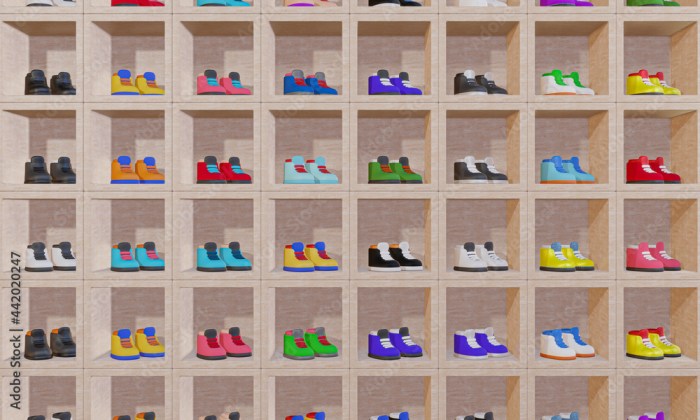
Maximizing storage in confined spaces is crucial for maximizing efficiency and minimizing clutter. Shoe racks with drawers, when strategically designed, can significantly contribute to a more organized and aesthetically pleasing living environment. This section explores innovative approaches to squeezing the most out of limited areas.Clever design choices and thoughtful configuration can transform small spaces into highly functional storage havens.
Optimizing shoe rack design for specific room dimensions and integrating them seamlessly into existing layouts are key to achieving this.
Maximizing Storage in Small Spaces
Efficiently utilizing every inch of available space is paramount when dealing with limited square footage. Shoe racks with drawers can be tailored to specific room dimensions, maximizing vertical space, and utilizing wall areas. This often involves exploring unconventional placements, such as placing the rack against a wall where it might not be immediately obvious.
Multi-Functional Shoe Rack Design
A well-designed shoe rack can serve as more than just a storage solution for footwear. A multi-functional design can incorporate additional storage compartments for accessories, seasonal items, or even small household goods. For example, a shoe rack could have a designated area for hats, scarves, or even folded blankets. Drawers can be used for storing smaller items, maximizing their storage potential.
Space-Saving Configurations for Shoe Racks with Drawers
Several configurations can maximize the shoe rack’s storage capacity within a confined space. A staggered design, where drawers or shelves are arranged in an overlapping pattern, can maximize the use of vertical space. Additionally, the choice of drawer depth and shelf width should be carefully considered to ensure the most efficient use of the available space.
Incorporating Shoe Racks into Different Room Layouts
Shoe racks can seamlessly integrate into various room layouts. In entryways, they serve as a practical and stylish solution for storing shoes upon entering the home. In bedrooms, they can provide organized storage for seasonal footwear or accessories. The placement and design of the rack can be adapted to suit the specific requirements of each space. For instance, a narrow, tall shoe rack might fit perfectly in a hallway, whereas a wider, shallower one could be ideal for a larger bedroom.
Optimizing Shoe Rack Design for Specific Room Dimensions
Shoe rack design must adapt to the specific dimensions of the room in which it will be installed. A small, narrow entryway requires a compact shoe rack, while a spacious living area might accommodate a more elaborate design. Measurements of the available space are essential before selecting or customizing a shoe rack. Consider factors such as wall space, door placement, and existing furniture arrangements when selecting the appropriate size and design.
For example, a shoe rack designed with adjustable shelving units or drawers can adapt to accommodate various shoe sizes and storage needs. A rack with adjustable shelves can also be adjusted based on the height of the shoes stored within.
Maintenance and Care
Maintaining a shoe rack’s longevity hinges on proactive care. Proper cleaning, structural reinforcement, and preventative measures can significantly extend the life of your investment. Neglecting these aspects can lead to premature wear and tear, compromising the rack’s aesthetic appeal and functional integrity.
Ensuring Structural Integrity
Regular inspections are crucial to detect early signs of stress or damage. Examine the rack’s frame for any cracks, warping, or loose screws. Addressing these issues promptly prevents further deterioration and potential collapse. If you notice any structural weakness, consult with a professional carpenter for reinforcement or repair options. For example, adding extra support brackets or replacing damaged wood can prevent future issues.
Cleaning and Maintaining the Shoe Rack
Maintaining a clean shoe rack is essential for both aesthetic appeal and hygiene. Regular cleaning prevents dust buildup and the proliferation of mildew or mold, which can compromise the rack’s structural integrity and impact air quality. Remove dust and debris using a soft brush or cloth. Avoid harsh chemicals that could damage the material. For wooden shoe racks, a damp cloth with a mild cleaner is sufficient.
For metal racks, a damp cloth or a solution of mild dish soap and water is effective.
Repairing Minor Damage
Addressing minor damage proactively prevents it from escalating into major problems. For instance, if a drawer is sticking, lubricating the hinges with a silicone-based lubricant can resolve the issue. Replacing damaged drawer runners or fixing loose screws can restore functionality and prevent further damage. If the wood is scratched, consider using wood filler to minimize the impact.
Preventing Damage
Preventive measures are often more effective than reactive repairs. Avoid placing excessively heavy items on the rack, as this can put undue stress on the structure. Distribute the weight evenly across the shelves to prevent warping or bending. Protecting the rack from moisture is also essential. Place the rack in a dry location, away from water sources or high humidity areas.
This will prevent the material from rotting, swelling, or developing mold.
Summary of Maintenance Tips
| Material | Dusting | Cleaning | Moisture Protection | Repair |
|---|---|---|---|---|
| Wood | Soft brush or cloth | Damp cloth with mild cleaner | Store in dry locations, avoid moisture | Wood filler for scratches, reinforcement for structural issues |
| Metal | Soft brush or cloth | Damp cloth or mild dish soap and water solution | Avoid exposure to prolonged moisture | Lubricate hinges, replace damaged runners |
| Plastic | Soft brush or cloth | Mild dish soap and water solution | Avoid prolonged exposure to extreme temperatures | Repairing damage may require replacement parts |
Aesthetic Considerations

Shoe racks with drawers, beyond their functional utility, can significantly impact a room’s aesthetic appeal. Choosing the right style, color, and placement can elevate the space, while an ill-fitting design can detract from the overall ambiance. Careful consideration of these factors ensures the shoe rack becomes a harmonious element within the existing décor, not a jarring contrast.Integrating a shoe rack with drawers into a room’s design requires understanding how the piece interacts with the existing style and color palette.
A well-chosen rack can act as a focal point or blend seamlessly into the background, depending on the desired effect.
Design Styles
A shoe rack’s aesthetic should align with the broader design style of the room. Modern spaces often benefit from clean lines and minimalist forms, while rustic homes might find a rack with visible wood grain or a slightly more ornate design more suitable. A minimalist shoe rack, with its simple form and muted tones, can enhance the serenity of a contemporary living room.
Conversely, a rustic-style shoe rack, with its exposed wood and perhaps a touch of wrought iron, can beautifully complement the charm of a farmhouse or cabin.
Color Palettes
The color palette of the shoe rack plays a crucial role in its integration. Neutral colors like white, gray, or beige seamlessly blend into most interiors. Darker shades of wood or even deep blues or greens can provide a bold contrast, especially in rooms with lighter walls. Consider a darker color palette if the space already incorporates rich tones or textures.
A muted palette like a soft sage green or a warm taupe can add a subtle touch of sophistication.
Incorporating into Room Décor
A shoe rack with drawers can be strategically placed to enhance the room’s aesthetic. Positioning it near an entryway creates a practical and visually appealing focal point, while placing it beside a console table can add a layer of visual interest. The rack’s placement should complement the room’s layout and natural light. For example, placing a light-colored shoe rack near a window can create a brighter, airier feel.
Similarly, a darker-toned shoe rack in a room with ample natural light can enhance the overall ambiance without overwhelming the space.
Complementary Décor
The shoe rack’s aesthetic should be consistent with the existing home décor. Matching the rack’s finish to the cabinetry or flooring can create a cohesive look. Using similar materials in the rack and other furniture pieces, like using the same type of wood or metal, strengthens the design’s harmony. If the room features patterned wallpaper, selecting a shoe rack with a subtly repeating pattern can create a pleasing visual connection.
Practical Applications and Use Cases
Shoe racks with drawers offer a versatile solution for optimizing storage in various home environments. Their ability to combine ample shoe storage with additional drawer space for accessories significantly enhances functionality and organization. Properly sized and strategically placed, these racks can transform cluttered entryways and bedrooms into spaces that are both stylish and efficient.Beyond basic shoe storage, these racks serve as integral components in creating a well-organized home, enhancing its overall aesthetic and functionality.
Choosing the right size and configuration is crucial for maximizing space utilization and ensuring the rack meets individual needs.
Selecting the Right Shoe Rack Size
Determining the appropriate shoe rack size depends on several factors, including the number of shoes to be stored, the available space, and the desired storage capacity for accessories. A thorough assessment of these factors is essential for ensuring a well-suited shoe rack. Consider the following:
- Bedroom Shoe Racks: For bedrooms, prioritize racks that can accommodate the total number of shoes worn by occupants. Consider factors like the number of pairs and their typical sizes. Racks with adjustable shelves or drawers allow for flexible storage to adapt to different footwear types.
- Entryway Shoe Racks: Entryway shoe racks should be easily accessible and visually appealing. They often serve as a primary point of entry for footwear, so consider space limitations and aesthetic preferences. A compact, stylish rack is ideal for smaller entryways, while larger racks accommodate more shoes and accessories, offering a visually appealing entrance.
- Closet Shoe Racks: Closet shoe racks should seamlessly integrate into the existing closet structure. Consider the overall closet dimensions and the rack’s compatibility with other storage solutions. Prioritize a rack with enough space for all seasonal shoes and accessories, maximizing the utilization of closet space.
Utilizing Drawers for Accessories
Shoe racks with drawers offer a practical solution for storing a wide range of accessories beyond shoes. The drawers provide a dedicated space for organizing and storing items like belts, scarves, hats, and even small handbags. This organized storage prevents clutter and enhances the overall aesthetic appeal.
- Belt Organization: Drawers allow for organized belt storage, eliminating the need for separate belt organizers. This helps keep belts neatly arranged and easily accessible.
- Accessory Storage: The drawers provide dedicated space for organizing and storing other accessories such as scarves, hats, and small handbags. This ensures easy access to these items and keeps them separate from shoes.
- Seasonal Storage: The drawers can be used to store seasonal items like gloves, hats, and scarves, making them easily accessible during the relevant season. This prevents clutter and ensures quick retrieval.
Selecting the Appropriate Shoe Rack
Selecting the appropriate shoe rack requires a comprehensive evaluation of user needs. A careful consideration of factors such as the intended location, the number of shoes to be stored, and the desired storage capacity for accessories is paramount. The user’s specific needs and preferences should guide the selection process.
- Footwear Variety: Assess the range of footwear types to be stored. If storing high heels, flats, and boots, consider a rack that accommodates different shoe heights and widths.
- Space Constraints: Measure the available space carefully. A shoe rack that’s too large will overwhelm a small space, while a rack that’s too small won’t adequately meet storage needs.
- Budget Considerations: Set a realistic budget for the shoe rack. Different materials and features influence the price point. Balance the budget with the rack’s overall functionality and aesthetic appeal.
Enhancement of Home Functionality
Shoe racks with drawers play a significant role in enhancing the overall functionality of a home. They contribute to a more organized and efficient living space, reducing clutter and improving accessibility to various items. This improved organization contributes to a sense of calm and well-being.
Comparison with Other Storage Solutions
Shoe racks with drawers offer a compelling alternative to traditional shoe storage, but understanding their strengths and weaknesses in comparison to other options is crucial. Choosing the right solution depends heavily on individual space constraints, organizational needs, and aesthetic preferences. A careful evaluation of pros and cons across different storage methods is vital for making an informed decision.Shoe racks with drawers are frequently pitted against other storage solutions like shoe organizers and simple shelves.
These alternatives often present unique trade-offs in terms of space utilization, organizational flexibility, and overall aesthetic appeal. Understanding these differences allows consumers to select the solution that best meets their specific requirements.
Comparison Table
Evaluating shoe racks with drawers against other shoe storage methods necessitates a comprehensive comparison. The table below Artikels the key advantages and disadvantages of each solution.
| Storage Solution | Pros | Cons |
|---|---|---|
| Shoe Racks with Drawers | Enhanced organization, increased storage capacity, often stylish designs, convenient access to shoes, hidden storage | Potentially higher initial cost, may not be suitable for every space, some models might have limited drawer depth |
| Shoe Organizers | Affordable, space-saving, often customizable, variety of designs and materials | Limited storage capacity, may not be as visually appealing as a dedicated rack, less convenient for accessing multiple pairs of shoes, less effective for bulky shoes |
| Shoe Shelves | Simple, budget-friendly, easy to install, potentially maximizes space | Limited organization, potential for shoe clutter, less convenient for storing shoes in an organized manner, shoes may get damaged if not properly protected, can be less visually appealing |
Advantages of Shoe Racks with Drawers
Shoe racks with drawers excel in several key areas compared to other options. Their ability to provide organized storage in a visually appealing manner is a significant benefit. The drawers conceal shoes, maintaining a tidy appearance in any space. This organized storage and hidden storage is crucial for maintaining an organized environment.
Suitability for Different Spaces
The suitability of each storage solution depends heavily on the specific space. Shoe racks with drawers are ideal for smaller apartments or spaces where maximizing vertical storage is a priority. Their ability to efficiently use vertical space is a significant advantage in these scenarios. For example, in a compact bedroom, a shoe rack with drawers can effectively store shoes while keeping the room tidy.Shoe organizers are well-suited for spaces with limited vertical space.
The compact nature of shoe organizers makes them ideal for maximizing horizontal storage in smaller spaces. Their affordability and adaptability make them attractive for temporary or evolving storage needs. A good example is a small entryway, where a shoe organizer can keep shoes organized without taking up too much floor space.Shoe shelves are generally best for larger spaces, particularly if an open display of shoes is desired.
Their open design allows for a flexible approach to storage. The simple design and low cost of shoe shelves makes them suitable for spaces where aesthetics are less critical, such as a garage or a utility room. For example, in a large entryway, a shoe shelf can efficiently store numerous pairs of shoes while keeping the area open.
Key Factors for Decision-Making
Several factors influence the choice between shoe racks with drawers and other solutions. Consider the available space, desired level of organization, budget, and the overall aesthetic preferences of the space. A thorough assessment of these factors will guide consumers towards the optimal storage solution for their individual needs.
Conclusive Thoughts
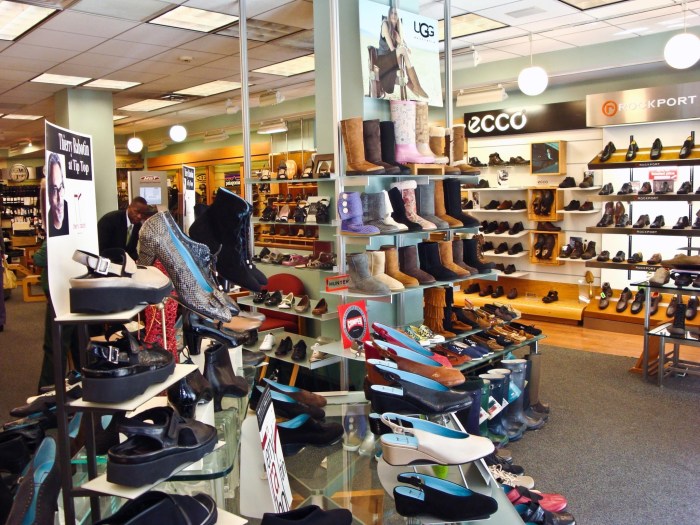
In conclusion, shoe racks with drawers transcend simple storage solutions. They represent a smart investment in space management, enhancing the functionality and aesthetic appeal of any room. By carefully considering design, materials, and organization strategies, you can optimize storage and create a harmonious environment. This guide provides a roadmap to navigate the world of shoe racks with drawers, ensuring you select the perfect piece to meet your unique needs.